
 English

Blog
Provide One-Stop Customized Services
WCH is dedicated to providing high-precision and high-quality
tempered glass customization services for home appliance manufacturers.


2026-05-07 16:51:15
Microwave ovens are essential kitchen appliances, and one of their most important safety components is the Microwave Door Glass. Many users wonder whether glass is safe in microwaves, why microwave doors use special glass, and whether damaged Microwave Glass can be replaced.
In this article, we will answer common questions such as “Is tempered glass microwave safe?”, “Can you put glass in a microwave?”, and explain the role of microwave Oven Door Glass and microwave windows.
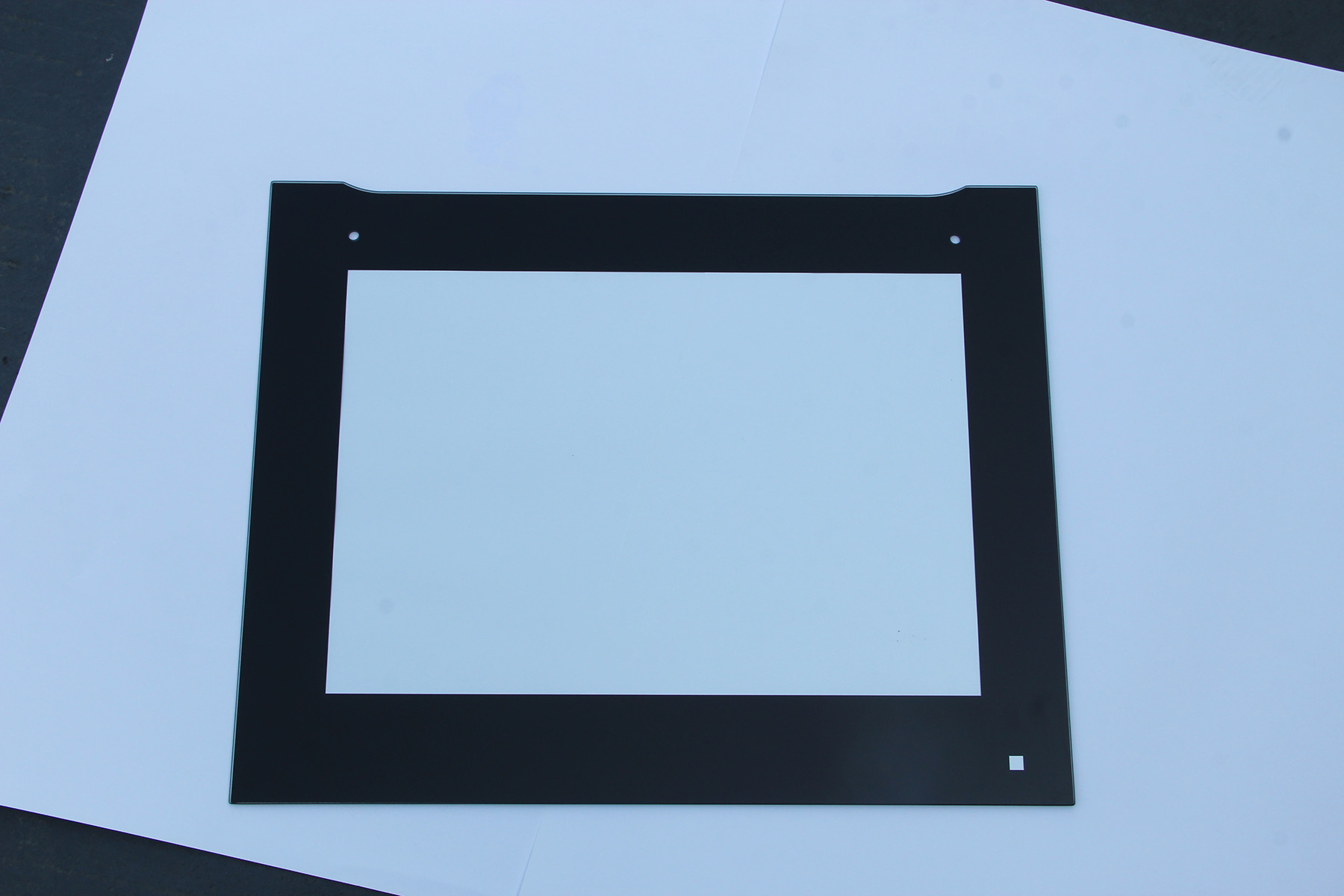
The microwave door glass is the transparent panel located on the microwave oven door that allows users to monitor food while preventing microwave radiation from escaping.
A typical microwave glass door is not just ordinary glass. It is a multi-layer safety structure that includes:
Tempered glass panel
Metal mesh shielding layer
Protective outer glass or plastic layer
The metal mesh inside the microwave window blocks microwave radiation while still allowing visible light to pass through, ensuring safe operation.
Yes, tempered glass is microwave safe and is commonly used in microwave oven doors and microwave-safe cookware.
Resistant to high temperatures
Stronger than regular glass
Resistant to thermal shock
Does not absorb microwave energy
Because microwaves heat food by exciting water molecules rather than heating the container directly, tempered glass microwave products remain stable during heating.
However, not all glass items are automatically microwave safe — the glass must be heat-resistant and free of metallic decoration.
Yes, you can usually put glass in a microwave, but only if it is microwave-safe glass.
Tempered glass containers
Borosilicate glass cookware
Microwave-rated glass dishes
Glass cover for microwave oven
Glass with metal trim or paint
Thin decorative glassware
Crystal glass
Damaged or cracked glass
If labeled microwave safe, glass inside microwave cooking is completely normal and safe.
In most cases, it is OK to microwave glass when the material is designed for heat resistance.
Microwave-safe glass offers several benefits:
Does not release harmful chemicals
Maintains food flavor
Easy to clean
Handles repeated heating cycles
Always avoid sudden temperature changes, such as placing hot glass directly into cold water, which may cause cracking.
Yes, microwave door glass is special and different from ordinary household glass.
Designed to withstand heat and mechanical impact.
The metal mesh embedded in the microwave window prevents microwave leakage.
Capable of handling repeated heating cycles without deformation.
Manufactured according to strict appliance safety standards.
Because of these features, microwave door glass should never be replaced with regular glass.
Many microwaves include a glass cover for microwave oven use.
This cover helps:
Prevent food splatter
Maintain moisture during heating
Improve cooking efficiency
Keep the microwave interior clean
These covers are usually made from microwave-safe tempered or heat-resistant glass.
Yes, microwave door glass can be replaced, but it must be done correctly.
Use manufacturer-approved replacement glass
Never install ordinary glass
Replace immediately if cracked or shattered
Professional installation is recommended
Because the door is part of the microwave’s radiation containment system, improper replacement may create safety risks.
Microwave glass damage may occur due to:
Physical impact
Manufacturing defects
Sudden temperature shock
Aging materials
Improper cleaning methods
If the microwave glass door is damaged, stop using the microwave until it is repaired.
To safely use glass in microwaves:
Check for a microwave-safe label
Avoid metal decorations
Do not use cracked glass containers
Heat gradually when possible
Allow glass to cool before washing
Following these precautions ensures safe and long-lasting microwave operation.
The microwave door glass plays a critical role in both safety and convenience. Made from tempered glass, it allows visibility while preventing microwave radiation leakage. Yes, tempered glass is microwave safe, and microwave-safe glass containers can be safely used for heating food.
Understanding the difference between ordinary glass and specialized microwave oven door glass helps ensure safe usage and proper maintenance. If damaged, the glass should always be replaced with certified components to maintain appliance safety.

Tel/Whatsapp:+86 13423078888
E-mail:chloe_mo@wchtemperglass.com
Address:Yuan He Road North, Xiang Xi Industrial Zone, Shipai Town, Dongguan City, Guangdong Province, China


Privacy Policy Cookie Policy Terms and Conditions
Copyright © 2025 W.C.H Temper Glass Co., Ltd. All rights reserved.