
 English

Blog
Provide One-Stop Customized Services
WCH is dedicated to providing high-precision and high-quality
tempered glass customization services for home appliance manufacturers.


2026-07-22 16:55:21
Low-E glass (Low Emissivity Glass) is a high-performance glass product with a special low-emissivity coating applied to the glass surface. This coating helps reduce infrared heat transfer while maintaining excellent light transmission.
The Low-E coating reflects heat energy back toward the heat source, improving thermal efficiency and reducing heat loss. Due to its excellent heat control performance, Low-E Glass is widely used in energy-efficient applications, including oven doors, appliance panels, and architectural glass.
As a professional Low Emissivity Glass Oven Door manufacturer, we provide customized Low-E glass solutions designed for modern household appliances requiring high temperature resistance and thermal insulation performance.
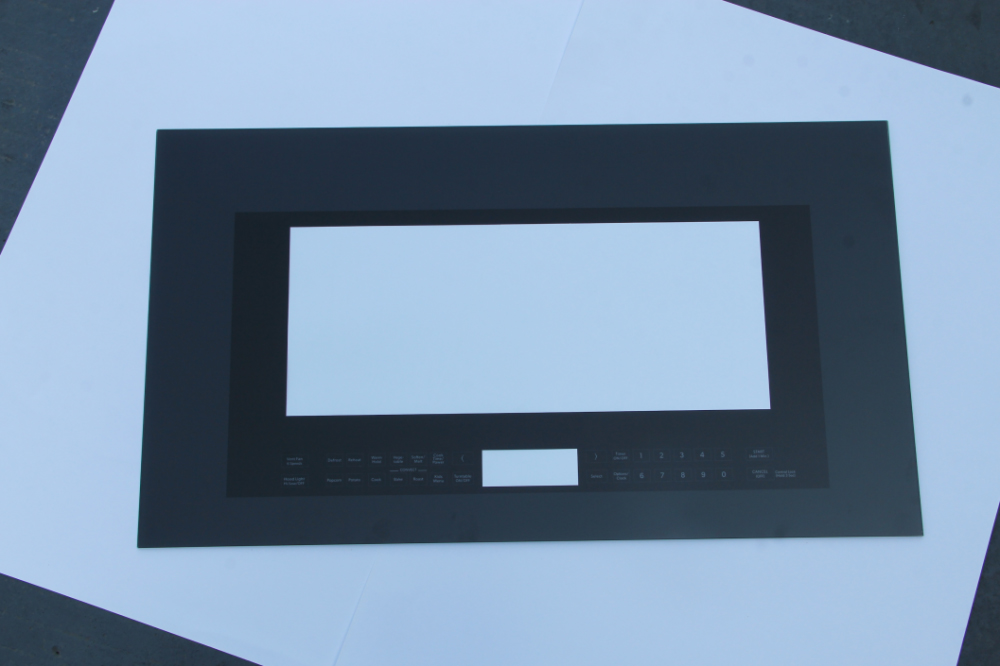
Insulated Glass, also known as double glazing or IGU (Insulating Glass Unit), is made by combining two or more glass panels with a sealed air or gas-filled space between them.
The typical structure includes:
Outer glass layer
Spacer frame
Air or argon gas layer
Inner glass layer
This multi-layer design helps reduce heat transfer through conduction and improves overall insulation performance.
Insulated glass offers several benefits:
Improved thermal insulation
Reduced heat transfer
Better sound reduction
Enhanced energy efficiency
Increased comfort and safety
It is commonly used in buildings, windows, doors, and some appliance applications.
The main advantage of Low-E Glass is its ability to control radiant heat.
The low-emissivity coating helps:
Reflect infrared radiation
Reduce heat loss
Maintain stable temperatures
Improve energy efficiency
For oven applications, Low Emissivity Glass Oven Doors help keep heat inside the oven cavity and improve cooking performance.
Insulated glass reduces heat transfer by creating a physical barrier between two glass layers.
The air or gas layer helps reduce:
Heat conduction
Temperature exchange
Energy loss
Insulated glass is highly effective for buildings and applications requiring overall insulation.
For oven applications, Low-E Glass Oven Doors are often a better choice because ovens require direct control of radiant heat.
Key advantages include:
Low-E coating reflects heat back into the oven chamber, helping maintain a stable internal temperature.
By reducing heat loss, Low-E Oven Door Glass can help improve appliance energy efficiency.
Low-E technology helps reduce heat transfer to the outer glass surface, improving user safety.
Oven Door Glass must withstand repeated heating and cooling cycles. Low-E tempered glass provides excellent durability for high-temperature environments.
Low Emissivity Glass is widely used in:
Electric oven doors
Gas oven doors
Microwave oven doors
Kitchen appliance panels
Heating equipment
Besides oven applications, Low-E glass is also used in:
Building windows
Energy-saving doors
Commercial glass systems
Industrial equipment
As an experienced Low Emissivity Glass Oven Door manufacturer, we provide high-quality customized glass solutions for appliance manufacturers worldwide.
Our manufacturing capabilities include:
Low-E glass processing
Tempered glass production
Custom glass cutting
Printed glass processing
Double Oven Door Glass solutions
We can provide customized solutions including:
Custom sizes
Different glass thicknesses
Inner oven door glass
Outer oven door glass
Printed tempered glass
Low-E coated glass
Our products are designed to meet different oven design and performance requirements.
We focus on producing reliable Low-E Glass Oven Doors with strict quality control.
Our advantages include:
Professional glass manufacturing experience
Advanced production equipment
Stable product quality
OEM and ODM service
Customized design support
Modern ovens require better thermal performance, safety, and energy efficiency.
Our Low-E glass solutions help appliance manufacturers achieve:
Better heat insulation
Improved cooking efficiency
Enhanced product safety
Premium product performance
When comparing Low-E glass and insulated glass, both have excellent insulation properties, but their advantages are different.
Insulated glass improves insulation through a multi-layer structure, while Low-E Glass controls heat radiation through advanced coating technology.
For oven door applications, Low Emissivity Glass Oven Doors are an excellent choice because they provide better heat reflection, improved energy efficiency, and enhanced safety performance.
As a professional Low-E Glass Oven Door manufacturer, we provide customized high-temperature glass solutions for global appliance brands.

Tel/Whatsapp:+86 13423078888
E-mail:chloe_mo@wchtemperglass.com
Address:Yuan He Road North, Xiang Xi Industrial Zone, Shipai Town, Dongguan City, Guangdong Province, China


Privacy Policy Cookie Policy Terms and Conditions
Copyright © 2025 W.C.H Temper Glass Co., Ltd. All rights reserved.