
 English

Blog
Provide One-Stop Customized Services
WCH is dedicated to providing high-precision and high-quality
tempered glass customization services for home appliance manufacturers.


2026-01-30 17:34:33
Microwaving food has become an essential part of modern cooking. However, many people often ask: “Is it safe to Microwave Glass?” The answer depends on the type of glass, its condition, and how it is used. Understanding these factors can prevent accidents, keep your kitchen safe, and ensure that your food heats evenly.
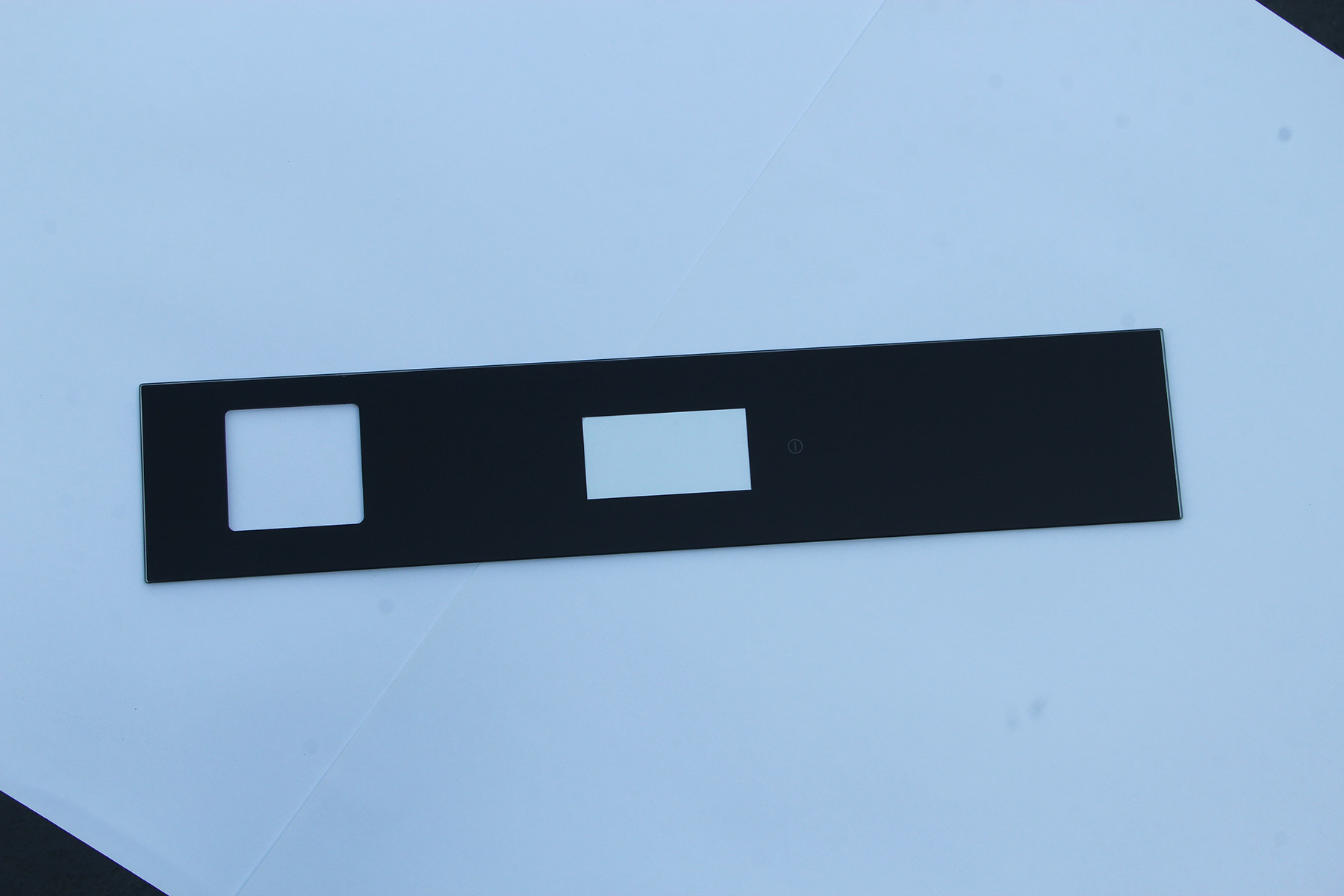
Not all glass is suitable for microwave use. Here’s a breakdown of the most common types:
Examples: Pyrex, borosilicate glass.
Characteristics: Can withstand rapid temperature changes, high heat, and is generally labeled as microwave safe glass.
Ideal Use: Heating, cooking, and reheating food in the microwave.
Examples: Decorative drinking glasses, old glass bowls, or thin glass containers.
Risk: These are not designed for thermal stress. Microwaving may cause them to crack, shatter, or even explode.
Risk: Any metallic trim, gold or silver edges, or painted decorations can cause sparks, fires, or damage your microwave.
Recommendation: Never microwave glass with metal accents.
Microwave ovens heat food using electromagnetic waves, which excite water molecules in the food. Microwave-safe glass is engineered to withstand the heat generated by these waves without cracking. Unlike ordinary glass, heat-resistant glass distributes thermal energy evenly, preventing stress points that could cause breakage.
Even if your glass is labeled microwave safe, certain precautions are necessary:
Never move glass directly from the freezer into the microwave.
Allow cold glass to reach room temperature first.
Sudden changes in temperature can cause the glass to crack or explode.
Place the glass container on a microwave turntable if available.
Stir or rotate food halfway through heating to prevent hot spots.
Inspect your glass containers before each use.
Avoid using cracked, chipped, or damaged glass.
Even microwave-safe glass can fail if it has structural weaknesses.
If using a lid, ensure it is vented or slightly ajar.
Pressure buildup inside a sealed container can lead to glass breakage.
Do not use glass containers for extended microwave cooking unless recommended.
Follow manufacturer instructions for maximum temperature limits.
Check the label: Ensure the container says microwave safe glass.
Avoid metal: Remove any metal clips, lids, or decorations.
Preheat if needed: For some thick glass containers, allow gradual heating.
Use caution when removing: Glass retains heat; use oven mitts to prevent burns.
Clean and inspect: Make sure glass is free from food residues that may overheat and crack the glass.
“All glass is safe in the microwave.”
Reality: Only heat-resistant, microwave-safe glass is suitable. Ordinary glass can shatter.
“Metal trim is harmless.”
Reality: Metallic decorations can cause sparks and fire.
“If glass doesn’t break immediately, it’s safe.”
Reality: Micro-cracks or weak points may cause delayed breakage.
Durability: Withstands repeated heating and cooling cycles.
Even heating: Reduces hot spots and uneven cooking.
Safety: Less risk of shattering compared to ordinary glass.
Eco-friendly: Reusable and long-lasting compared to plastic alternatives.
Using glass in the microwave can be perfectly safe if you choose the right type of container and follow safety guidelines. Always select microwave safe glass, avoid metal decorations, inspect for cracks, and prevent sudden temperature changes. Following these tips ensures that your glass container in microwave remains safe, your food heats evenly, and your kitchen stays accident-free.
By understanding the science behind microwave heating glass and applying proper safety measures, you can enjoy the convenience of microwaving without risking broken glass or burns.

Tel/Whatsapp:+86 13423078888
E-mail:chloe_mo@wchtemperglass.com
Address:Yuan He Road North, Xiang Xi Industrial Zone, Shipai Town, Dongguan City, Guangdong Province, China


Privacy Policy Cookie Policy Terms and Conditions
Copyright © 2025 W.C.H Temper Glass Co., Ltd. All rights reserved.