
 English

Blog
Provide One-Stop Customized Services
WCH is dedicated to providing high-precision and high-quality
tempered glass customization services for home appliance manufacturers.


2026-04-29 11:48:29
Oven doors are exposed to high temperatures, frequent heating cycles, and rapid cooling conditions. Because of this, ordinary glass cannot be used. Instead, specially engineered heat-resistant glass is required to ensure safety, durability, and thermal stability.
So, what kind of glass is used on oven doors?
The most common materials are Tempered Glass (Heat-Resistant Tempered Glass) and High Temperature Glass, designed specifically for kitchen and appliance applications.
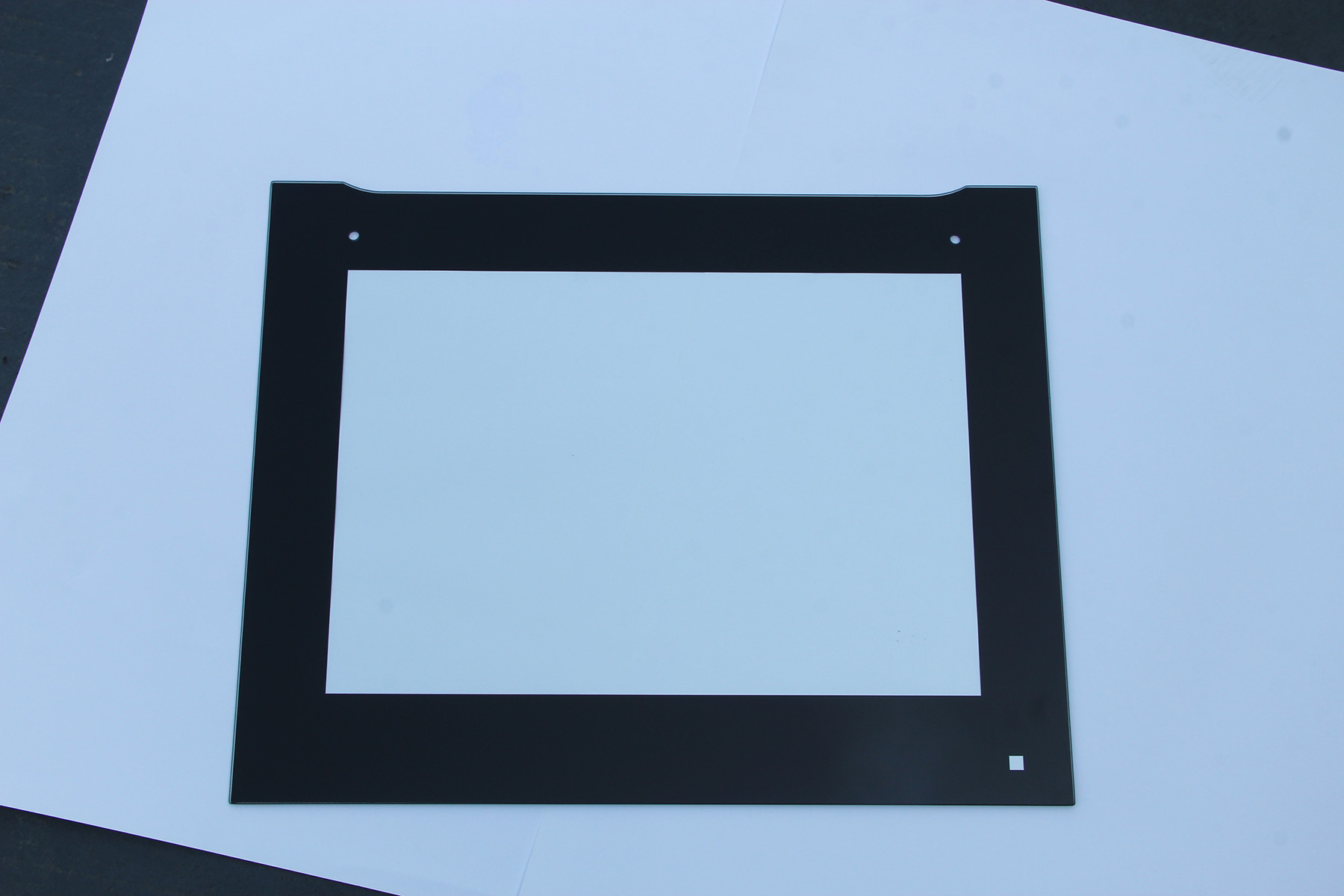
Tempered Glass (Heat-Resistant Tempered Glass) is the most widely used material in oven door construction.
4–5 times stronger than standard float glass
High impact resistance
Excellent thermal shock resistance
Breaks into small, less harmful particles for safety
Kitchen appliance viewing panels
Because of its strength and safety performance, tempered glass is the standard solution for most household ovens.
Heat-resistant glass for oven doors is designed to withstand continuous exposure to high temperatures, typically ranging from 200°C to 500°C depending on structure and design.
Heat resistant tempered glass
Heat resistant toughened glass
High temperature resistant glass
Stable performance under thermal cycling
Resistant to cracking under sudden temperature changes
Long service life in kitchen environments
This type of heat resistant glass is essential for safe oven operation.
High temperature glass is used in more demanding or premium applications where standard tempered glass is not sufficient.
Extremely high thermal resistance
Excellent dimensional stability
Suitable for continuous high-heat environments
Advanced oven systems
Industrial heating equipment
Specialized kitchen appliances
It provides superior durability in extreme conditions.
Heat resistant toughened glass is another term used for reinforced tempered glass designed for high-heat environments.
Enhanced structural strength
Improved heat resistance
Suitable for repeated heating cycles
Heat resistant glass panels
Oven door systems
Kitchen appliance glass structures
A heat resistant glass panel is commonly used in multiple appliance components beyond oven doors.
Oven doors
Microwave glass
Kitchen appliance windows
These panels allow visibility while maintaining thermal protection and safety.
It is important to distinguish between oven glass and standard float glass.
Basic flat glass
Low heat resistance
Not suitable for high-temperature environments
Heat treated or tempered
Designed for thermal stability
Safe for cooking appliances
Only heat-resistant materials are suitable for oven applications.
Modern kitchen appliances often use additional heat-resistant glass components.
Protects electronic interfaces
Scratch and heat resistant
Used in modern ovens and smart appliances
Designed for microwave oven viewing windows
Heat and radiation resistant
Ensures safety during operation
Heat resistant glass manufacturers specialize in producing engineered glass solutions for high-temperature environments.
They typically offer:
Custom thickness options
Multi-layer oven glass structures
Heat resistance certification
OEM/ODM appliance glass solutions
These manufacturers supply products for ovens, microwaves, and industrial heating systems.
Oven doors must meet strict safety and performance requirements, including:
High temperature resistance
Thermal shock resistance
Structural durability
User safety protection
Clear visibility during cooking
That is why heat resistant glass for oven doors is the industry standard worldwide.
So, what kind of glass is used on oven doors?
Oven doors typically use Tempered Glass (Heat-Resistant Tempered Glass) and sometimes High Temperature Glass for advanced applications. These materials provide the necessary strength, safety, and thermal stability required in modern kitchen appliances.
From oven glass and glass for oven door to heat resistant glass panels, control panel glass, and microwave glass, engineered heat-resistant glass plays a critical role in ensuring safe and reliable appliance performance.

Tel/Whatsapp:+86 13423078888
E-mail:chloe_mo@wchtemperglass.com
Address:Yuan He Road North, Xiang Xi Industrial Zone, Shipai Town, Dongguan City, Guangdong Province, China


Privacy Policy Cookie Policy Terms and Conditions
Copyright © 2025 W.C.H Temper Glass Co., Ltd. All rights reserved.