
 English

Blog
Provide One-Stop Customized Services
WCH is dedicated to providing high-precision and high-quality
tempered glass customization services for home appliance manufacturers.


2026-07-29 14:20:19
Oven Timer Float Tempered Glass is a specially processed glass component used in oven control panels, oven doors, and appliance display areas. It is made from float glass that undergoes a tempering process to improve strength, heat resistance, and safety performance.
As an important part of modern kitchen appliances, tempered glass for oven timer panels provides a smooth appearance, excellent durability, and reliable protection for electronic control systems. It is widely used in household ovens, electric ovens, built-in ovens, smart ovens, and other cooking appliances.
Compared with ordinary glass, float tempered glass offers higher impact resistance and better thermal stability, making it suitable for environments exposed to high temperatures and frequent operation.
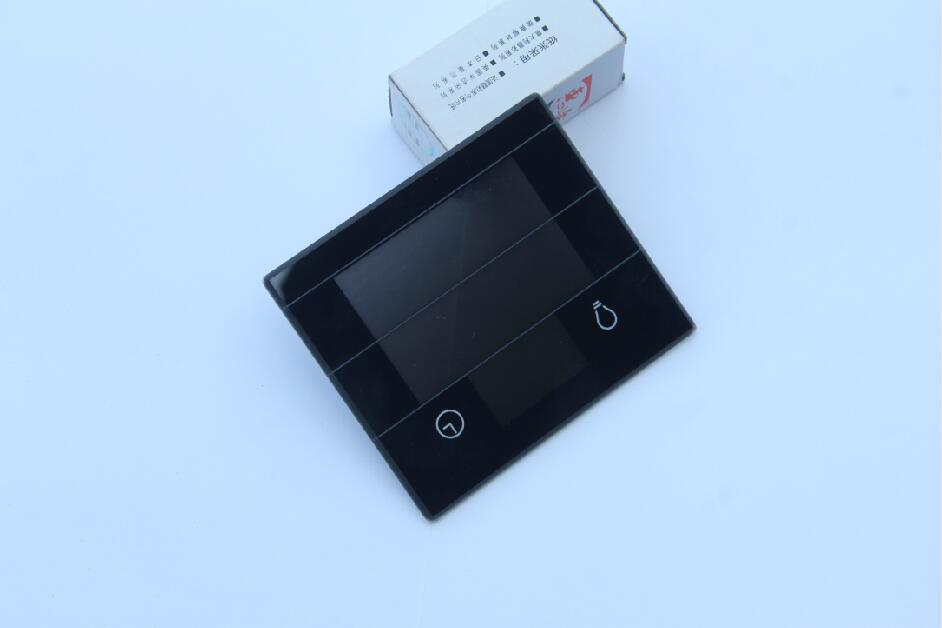
Oven Timer Float Tempered Glass refers to a type of safety glass manufactured from high-quality float glass and strengthened through a thermal tempering process.
The glass is commonly installed on the front control area of an oven to protect:
Timer displays
Touch control panels
Electronic buttons
Control circuits
The term can be understood as:
Oven Timer – the timer and control system used to manage cooking time
Float Glass – a flat, smooth glass produced through the float glass manufacturing process
Tempered Glass – glass that has been heat-treated to improve strength and safety
The combination of these technologies creates a durable glass panel that can withstand the demanding conditions of modern ovens.
The manufacturing process begins with float glass, which is produced by floating molten glass on a bath of molten tin.
This process creates:
Flat glass surfaces
Uniform thickness
Excellent transparency
Smooth appearance
Float glass provides the basic material for producing high-quality tempered glass panels.
After the float glass is produced, it is cut into the required shape and size according to the oven design.
Additional processing may include:
Edge grinding
Drilling holes
CNC edge processing
Surface printing
These processes ensure the glass fits accurately into the oven control panel assembly.
The processed glass is heated to a high temperature and then rapidly cooled.
This creates internal stress within the glass structure, improving:
Mechanical strength
Heat resistance
Impact resistance
If tempered glass breaks, it usually shatters into small granular pieces instead of sharp fragments, improving user safety.
Ovens operate under high temperatures, so the glass used for oven components must have excellent thermal performance.
Oven tempered glass can withstand temperature changes better than ordinary glass, reducing the risk of cracking caused by thermal shock.
The tempering process significantly increases the strength of float glass.
Compared with standard glass, tempered glass provides better resistance against:
Impact
Pressure
Scratches
Daily wear
This makes it suitable for frequently used kitchen appliances.
One of the biggest advantages of float tempered glass is its safety feature.
When broken, tempered glass forms small blunt particles rather than large sharp pieces, reducing the risk of injury.
Oven Timer Glass panels are often visible parts of the appliance design.
They provide:
Clear display visibility
Modern appearance
Easy cleaning surface
Premium product appearance
Many smart ovens use black, transparent, or printed tempered glass panels to achieve a high-end design.
The smooth glass surface helps prevent:
Oil stains
Dust accumulation
Food residue
Users can easily clean the oven control panel with common cleaning methods.
Built-in ovens commonly use tempered glass for:
Control panels
Touch displays
Decorative front panels
The glass provides both protection and an attractive appearance.
Electric ovens use oven timer tempered glass to protect electronic controls from:
Heat
Moisture
Accidental impact
Modern smart ovens often feature touch-sensitive controls covered by glass panels.
Applications include:
Touchscreen ovens
Digital display ovens
Wi-Fi-enabled smart ovens
Commercial ovens require durable materials because they operate frequently and under demanding conditions.
Tempered glass panels provide:
Long service life
Heat resistance
Easy maintenance
The high strength of tempered glass helps extend the service life of oven control panels.
It protects electronic components from heat generated during cooking operations.
A clear and smooth glass surface improves touch operation and visual appearance.
Manufacturers can customize oven Timer Glass according to different requirements, including:
Size
Thickness
Color
Printing pattern
Edge shape
Hole position
| Feature | Oven Timer Float Tempered Glass | Ordinary Glass |
|---|---|---|
| Strength | High | Low |
| Heat Resistance | Excellent | Limited |
| Safety | Breaks into small particles | Sharp fragments |
| Impact Resistance | Better | Lower |
| Application | Oven panels and appliances | General applications |
For oven applications, tempered glass is preferred because it provides better safety and durability.
The thickness should match the oven design and required strength level.
Common thickness options include:
3mm
4mm
5mm
6mm
Choose glass with suitable thermal performance based on the oven operating environment.
Depending on the product design, manufacturers can provide:
Silk screen printing
Anti-fingerprint coating
Anti-glare treatment
Touch-sensitive glass processing
A professional oven tempered glass manufacturer should provide:
Precise cutting
Strict quality inspection
Customized processing
Reliable heat treatment technology
Oven timer float tempered glass is a heat-treated glass panel made from float glass, designed to protect oven control panels, timers, and electronic displays.
Tempered glass is used because it provides high strength, heat resistance, and improved safety compared with ordinary glass.
Yes. Oven tempered glass is designed to withstand the temperature changes commonly found in kitchen appliance environments.
Yes. When broken, tempered glass breaks into small pieces instead of sharp shards, making it safer for appliance applications.
Yes. Manufacturers can customize the size, thickness, color, printing, and shape according to oven design requirements.

Tel/Whatsapp:+86 13423078888
E-mail:chloe_mo@wchtemperglass.com
Address:Yuan He Road North, Xiang Xi Industrial Zone, Shipai Town, Dongguan City, Guangdong Province, China


Privacy Policy Cookie Policy Terms and Conditions
Copyright © 2025 W.C.H Temper Glass Co., Ltd. All rights reserved.