
 English

Blog
Provide One-Stop Customized Services
WCH is dedicated to providing high-precision and high-quality
tempered glass customization services for home appliance manufacturers.


2026-08-05 16:38:51
If you've ever touched the outside of an oven door mid-bake and pulled your hand back fast, you already understand the problem Low-E glass was built to solve. Standard tempered Oven Glass and Low-E Door Glass look almost identical on the shelf, but they behave very differently once the oven heats up.
So, what's the actual difference between Low-E oven glass and standard Tempered Glass?
The short answer: both are heat-resistant tempered glass, but Low-E adds a coating that changes how heat moves through the glass — and that changes surface temperature, energy efficiency, and cost.
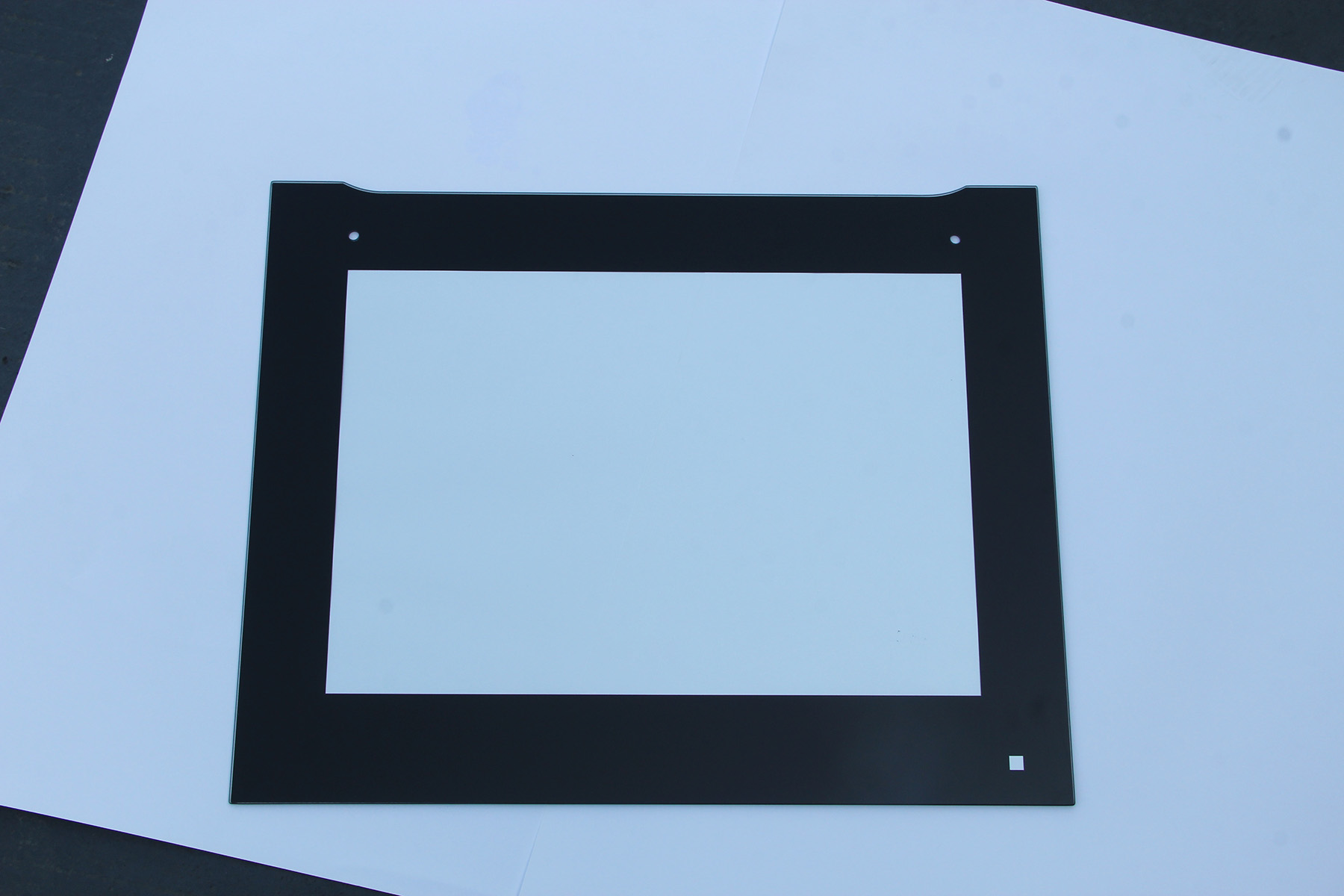
Standard tempered glass for oven doors is the baseline material used across most household and commercial ovens.
4–5 times stronger than standard float glass
High impact and thermal shock resistance
Breaks into small, less harmful particles if damaged
No coating — heat passes through and radiates from the outer surface fairly directly
General household ovens without a specific energy-efficiency requirement
Budget-focused appliance lines
Applications where outer surface temperature isn't a major selling point
Low-E Glass Front Door starts from the same tempered glass base but adds a low-emissivity coating that reflects radiant heat back toward the oven cavity instead of letting it pass through to the outer surface.
Reflects infrared heat while still allowing visible light through, so the viewing window stays clear
Keeps the outer glass surface noticeably cooler during baking or grilling
Available in double-pane and triple-pane configurations for added insulation
Coating helps reduce smoke and grease buildup on the surface over time
Appliance lines marketed on energy efficiency or "cool-touch" door safety
Households with children, where outer door surface temperature is a safety concern
Premium or mid-to-high-end oven models where the coating cost is justified by the feature
Outer surface temperature: Low-E runs noticeably cooler; standard tempered glass runs hotter to the touch
Energy efficiency: Low-E reduces heat loss through the door, helping the oven hold temperature with less energy; standard glass has no insulating coating
Clarity: both stay clear, but Low-E's coating also tends to resist grease/smoke film buildup better over time
Construction options: Low-E is commonly paired with double or triple-pane designs; standard tempered glass is more often single-pane
Cost: Low-E costs more per panel due to the coating process and often the multi-pane structure
If you're specifying glass for a new appliance line and aren't sure whether the energy-efficiency and safety upside of Low-E justifies the added cost for your target market, send us your oven model and target price point — we can walk through both options with real cost and performance numbers within 24 hours.
Neither option is universally "better" — they're built for different priorities. If your appliance line competes on price and outer surface temperature isn't a marketed feature, standard tempered oven glass is the simpler, more cost-effective choice. If your line is positioned around energy efficiency, "cool-touch" safety, or premium features, Low-E glass gives you a real, testable advantage that standard tempered glass can't match — reduced surface heat and better insulation performance.
So, what's the difference between Low-E oven glass and standard tempered glass? Standard tempered glass is the reliable, cost-effective default. Low-E adds a coating that keeps the outer surface cooler and improves energy efficiency — a meaningful upgrade for appliance lines where safety or efficiency is part of the pitch.
From standard oven door glass to Low-E Glass Front Door panels, we manufacture both to fit your exact appliance specifications, with custom thickness, printing, and pane configuration available on request.

Tel/Whatsapp:+86 13423078888
E-mail:chloe_mo@wchtemperglass.com
Address:Yuan He Road North, Xiang Xi Industrial Zone, Shipai Town, Dongguan City, Guangdong Province, China


Privacy Policy Cookie Policy Terms and Conditions
Copyright © 2025 W.C.H Temper Glass Co., Ltd. All rights reserved.