
 English

Blog
Provide One-Stop Customized Services
WCH is dedicated to providing high-precision and high-quality
tempered glass customization services for home appliance manufacturers.


2026-08-27 14:12:28
If the inner glass door of your oven is broken, cracked, or removed, you may wonder: Can I use my oven without the inner glass door? In most cases, the answer is no. The inner glass is an important part of the oven door assembly. It helps control heat, improve insulation, protect the outer door components, and maintain the designed performance of the oven.
Using an oven without its inner Oven Glass may cause excessive heat transfer to the outer door, reduce cooking efficiency, and potentially damage other components. If the inner glass is damaged, it is generally better to replace it with the correct oven door inner glass before using the oven again.
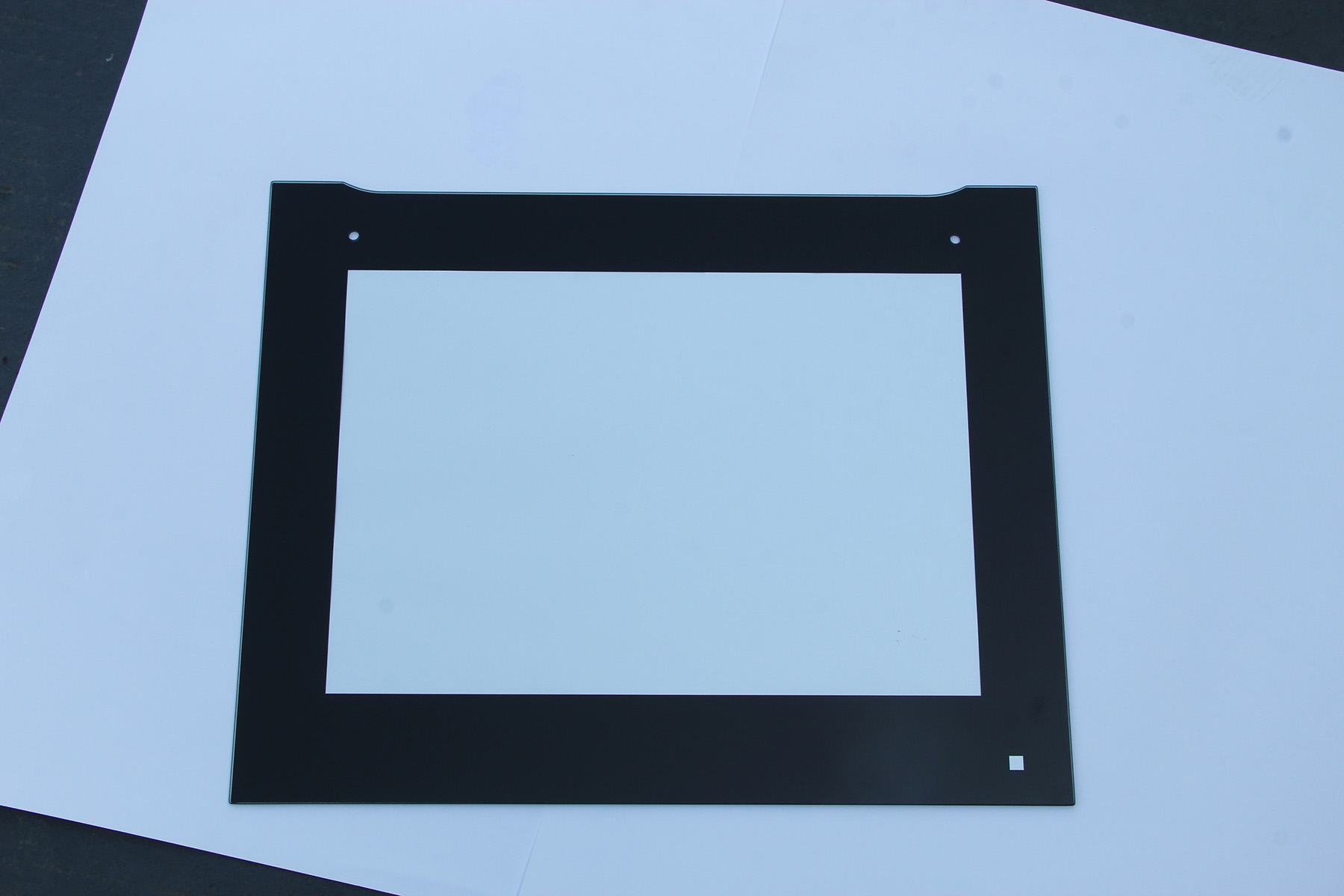
The inner glass door, also called oven inner glass or inner Oven Door Glass, is the glass panel positioned closest to the oven cavity. Many modern ovens use a multi-layer door structure rather than a single piece of glass.
A typical oven door may contain:
Outer oven door glass
Middle glass or insulating glass layers
Inner oven glass
Glass supports and clips
Door frame and sealing components
The exact structure varies according to the oven model and manufacturer. The oven inner glass is specifically designed to withstand the high-temperature environment inside the oven.
It is generally not recommended to use an oven without the inner glass door. The oven door is engineered as a complete system, and removing one of its glass layers can change its thermal performance.
The inner glass helps provide a barrier between the hot oven cavity and the other parts of the door. Without it, heat may transfer more quickly through the door structure.
If your Oven Inner Door Glass has broken or needs to be removed for cleaning, the safer approach is to replace or reinstall the correct glass before operating the oven.
The inner glass is exposed to high temperatures during cooking. It is manufactured from glass suitable for oven applications and is designed to withstand repeated heating and cooling cycles.
One of the main functions of inner oven glass is to help control heat transfer through the oven door. Multiple glass layers can create insulating spaces that reduce the movement of heat toward the outside.
A properly assembled oven door helps retain heat inside the cooking cavity. If the inner glass is missing, the door may lose some of its intended insulating performance, which can affect the oven's ability to maintain the desired temperature.
The inner glass also helps protect other parts of the oven door from direct exposure to heat. Operating an oven without the designed glass configuration may expose components to temperatures they were not designed to withstand.
The complete multi-layer door assembly is designed to manage heat between the oven cavity and the outside environment. Removing the oven door inner glass can change the temperature distribution of the door and increase the risk of excessive external heat.
Using an oven without its inner glass can create several potential problems.
Without the inner glass layer, there may be less resistance to radiant and conductive heat transfer through the oven door. This can cause the outer parts of the door to become hotter than intended.
The oven may not retain heat as effectively because the original door structure has been changed. This can affect temperature stability and cooking performance.
Excessive heat may place additional stress on components such as door frames, seals, handles, and other glass panels. Long-term exposure to abnormal temperatures can reduce component life.
Oven doors are designed with specific glass layers and spacing. Removing one layer may change the thermal balance of the assembly and increase thermal stress on the remaining glass.
If the inner oven glass is cracked, it is best not to continue using the oven until the glass has been inspected and replaced if necessary.
A crack can weaken the glass and increase the possibility of further damage when the oven heats up. Because oven glass is exposed to repeated thermal cycles, even seemingly small damage should not be ignored.
For safety and proper performance, use a suitable replacement oven inner glass that matches the original oven specifications.
If you have removed the inner glass for cleaning, you should reinstall it correctly before using the oven. Do not operate the oven while the inner oven door glass is removed.
When reinstalling the glass, make sure that:
The glass is installed in the correct position.
Glass clips and supports are properly secured.
The door frame is correctly assembled.
The glass is not cracked or damaged.
The door closes and seals properly.
If you are unsure how to reinstall the glass, refer to the oven manufacturer's instructions or have the oven inspected by a qualified technician.
Oven doors require specialized heat-resistant oven glass rather than ordinary household glass. The glass must be suitable for repeated exposure to high temperatures and thermal cycling.
Depending on the oven design, manufacturers may use different types of heat-resistant glass and coated glass solutions. Some oven door assemblies can also incorporate Low-E Glass to help reduce radiant heat transfer and improve thermal performance.
Low-E oven glass features a low-emissivity coating that helps reflect infrared thermal radiation. When integrated into a properly designed multi-layer oven door, it can help improve heat retention and thermal insulation.
Low-E Glass means Low Emissivity Glass. For oven applications, it is specially designed with a low-emissivity coating to control radiant heat transfer.
Unlike ordinary oven glass, Low-E coated glass for ovens can reflect part of the infrared radiation generated inside the oven. This helps reduce radiant heat transfer through the door and can contribute to improved thermal performance.
Low-E glass used in ovens is different from architectural Low-E glass. It must be specifically designed for the temperature, structure, and operating conditions of an oven door.
If your oven's inner glass is broken or damaged, replacement is usually a better solution than operating the oven without it.
Check the oven model number and manufacturer's specifications to identify the correct oven inner glass replacement.
Important specifications may include glass dimensions, thickness, shape, edge processing, coating requirements, and installation position.
If the glass is broken, wear appropriate protective equipment and follow the manufacturer's replacement instructions. Broken glass can have sharp edges.
Position the new inner oven door glass correctly and reinstall the required clips, brackets, seals, and other components.
After installation, make sure the oven door closes correctly and that all glass panels are securely positioned before operating the appliance.
Not every piece of heat-resistant glass is suitable for every oven. The correct oven door glass must match the appliance's design and operating conditions.
For oven manufacturers and appliance glass suppliers, important considerations include:
Glass size and thickness
High-temperature resistance
Thermal shock resistance
Visible light transmission
Low-E coating requirements
Glass shape and edge processing
Multi-layer door compatibility
Long-term thermal performance
Customized oven glass can be manufactured according to the specific requirements of different oven door designs.
It is generally not recommended. The inner glass is an important part of the oven door assembly and helps control heat transfer and protect other components. Replace or reinstall the inner glass before using the oven.
It is better not to use the oven with broken inner glass. Cracked or damaged glass can become more severely damaged during heating and may affect the thermal performance of the oven door.
Oven inner glass is the heat-resistant glass panel located closest to the oven cavity. It forms part of the multi-layer oven door structure and helps manage heat and protect the door assembly.
For ovens designed with an inner glass panel, yes. The glass is an integral part of the original door design and should be installed according to the manufacturer's specifications.
Oven doors generally use specially engineered heat-resistant glass designed for high-temperature appliance applications. Some oven doors also use Low-E coated glass to improve radiant heat control.
Yes. Specially manufactured Low-E oven glass can be incorporated into oven door assemblies to reduce radiant heat transfer and improve thermal performance.
In many oven models, the inner glass can be replaced. The replacement glass should have the correct dimensions, thickness, shape, and thermal specifications for the specific oven.
So, can I use my oven without the inner glass door? Generally, you should not. The inner oven glass is an essential component of many oven door assemblies, helping manage heat transfer, improve insulation, protect other door components, and maintain the oven's intended performance.
If the oven inner glass is cracked, broken, or removed, replacing it with the correct oven door inner glass is the recommended approach. For oven manufacturers and appliance suppliers, specialized solutions such as heat-resistant oven glass, Low-E oven glass, Low-E coated oven glass, and custom oven door glass can be developed according to specific door designs and thermal requirements.

Tel/Whatsapp:+86 13423078888
E-mail:chloe_mo@wchtemperglass.com
Address:Yuan He Road North, Xiang Xi Industrial Zone, Shipai Town, Dongguan City, Guangdong Province, China


Privacy Policy Cookie Policy Terms and Conditions
Copyright © 2025 W.C.H Temper Glass Co., Ltd. All rights reserved.