
 English

Blog
Provide One-Stop Customized Services
WCH is dedicated to providing high-precision and high-quality
tempered glass customization services for home appliance manufacturers.


2026-11-18 15:31:48
Oven Inner Door Glass is an essential component of an oven door assembly, designed to provide a transparent viewing surface while helping maintain the thermal performance and safety of the appliance. Depending on the oven design, the inner glass may work together with outer glass panels, intermediate glass layers, metal frames, and sealing components to create an insulated door structure.
As an important part of modern kitchen appliances, Inner Door Glass must meet requirements for heat resistance, dimensional accuracy, thermal stability, and reliable performance during repeated heating and cooling cycles.
Whether you need standard Oven Inner Glass, Oven Inner Glass Replacement, or custom Oven Door Glass cut to size, choosing a professional Oven Door Glass Manufacturer is important for ensuring product compatibility and consistent quality.
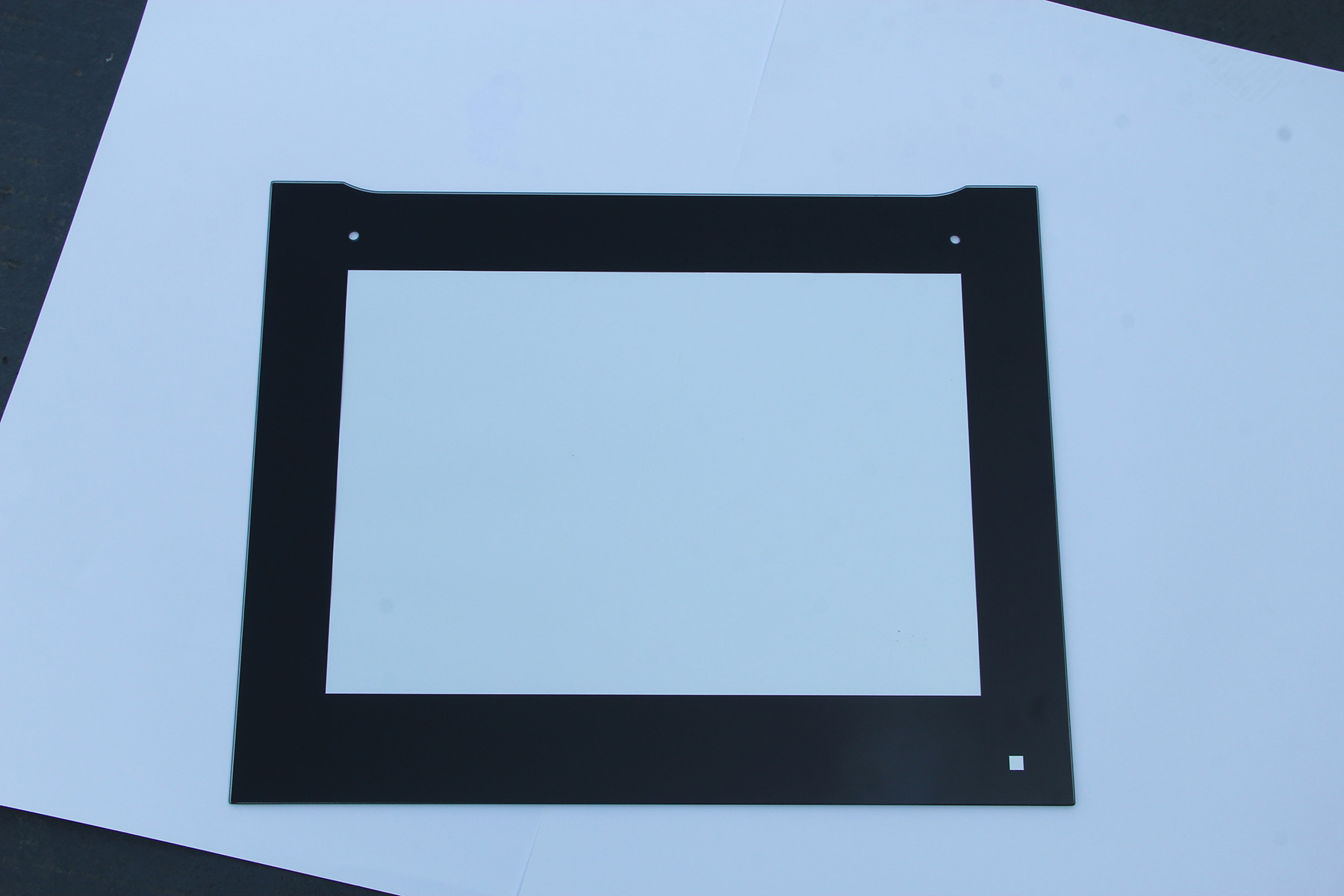
Oven Inner Door Glass is the glass panel installed on the inner side of an oven door, facing the oven cavity. It is designed to withstand the thermal conditions associated with oven operation while forming part of the door's overall insulation structure.
Depending on the appliance model, the inner door glass may be made from specially selected heat-resistant glass, such as suitable borosilicate glass or other glass types specified by the manufacturer. Some oven designs also use tempered glass engineered and tested for the intended operating conditions.
The material and processing method should be selected according to the oven's maximum operating temperature, thermal shock requirements, door construction, and applicable safety standards.
Common product terms include:
Inner Glass for Oven Door: Glass installed on the inside of an oven door.
Inner Door Glass Oven: A general product search term for oven inner door glass.
Oven Inner Door Glass: The inner glass panel used in an oven door assembly.
Oven Inner Glass: A shorter term commonly used when sourcing replacement or custom Oven Glass.
Glass Inner Door: A general description of an inner glass door component.
Oven inner glass is exposed to high temperatures and repeated temperature changes. Therefore, the glass material must be suitable for the oven's operating environment.
Thermal stability is important because rapid temperature changes can create thermal stress. The correct glass composition, thickness, edge quality, and processing method all contribute to the performance of the finished component.
Depending on the product design, tempered or other specially processed heat-resistant glass may be used for oven door applications.
It is important to distinguish between ordinary tempered glass and glass specifically engineered for oven temperatures. Not every tempered glass product is suitable for oven use. Material selection and testing should follow the appliance manufacturer's technical requirements.
Good optical quality allows users to monitor food during cooking without opening the oven door. The glass should have a consistent appearance with no unacceptable scratches, bubbles, inclusions, or other visible defects.
Oven inner glass must fit the door frame and assembly structure accurately. Incorrect dimensions or hole positions may affect installation, sealing, and overall door performance.
Custom processing can support different sizes, shapes, thicknesses, edge finishes, and hole configurations.
Depending on the design, oven glass may feature specialized surface treatments or coatings that help reduce grease adhesion and make cleaning easier. Any coating must be compatible with the intended operating temperature and cleaning conditions.
Different oven designs require different glass configurations. Understanding the available options helps buyers select the appropriate glass for their applications.
Tempered Glass for Oven refers to glass products that have undergone a controlled heat treatment process to improve mechanical strength. However, the suitability of tempered glass for an oven depends on its material composition and tested thermal performance.
For oven applications, buyers should confirm:
Maximum recommended operating temperature
Thermal shock resistance
Glass thickness and dimensions
Edge processing requirements
Compatibility with the oven door structure
Applicable safety and performance standards
The term Tempered Oven Glass should not be treated as a universal specification. The exact glass type must match the intended application.
Low Emissivity Glass for Oven Doors is designed to reduce radiative heat transfer through a specially engineered low-emissivity coating or surface.
In suitable oven door constructions, low-E glass can help improve thermal insulation by reducing heat radiation through the glass assembly. This may contribute to lower exterior door temperatures and improved energy performance, depending on the complete door design.
Important considerations include:
Coating type and emissivity performance
Coating position within the glass assembly
Temperature resistance
Optical appearance and light transmission
Compatibility with the oven's door structure
Durability under repeated heating cycles
The coating specification and installation orientation should be confirmed with the glass manufacturer and appliance designer.
Many modern ovens use multi-layer glass door structures rather than a single glass panel. These may include inner, intermediate, and outer glass layers.
A multi-layer design can help reduce heat transfer from the oven cavity to the external surface. The actual thermal performance depends on glass properties, air gaps, coatings, sealing, and the overall door construction.
Different oven brands and models use different glass dimensions and structural designs. Standard glass panels may not fit every replacement or OEM project.
Oven Door Glass Cut to Size services allow glass manufacturers to process panels according to customer drawings, samples, or technical specifications.
Customization options may include:
Customized length and width
Different glass thicknesses
Special shapes and curved profiles, subject to processing capability
Edge grinding and polishing
Drilled holes and notches
Customized coatings or surface treatments
Special packaging for transportation
Before ordering custom oven glass, buyers should provide accurate drawings, glass specifications, and application details. Since tempered glass generally cannot be conventionally cut or drilled after tempering, all required dimensions and openings must be confirmed before the heat-treatment process.
Oven Inner Glass Replacement may be required when the original panel is cracked, damaged, or otherwise unsuitable for continued use.
Selecting a replacement glass panel requires more than matching its length and width. The replacement must be compatible with the original oven model and door structure.
Different oven models may use different glass configurations. Providing the appliance model number helps identify the correct replacement requirements.
Measure the glass length, width, thickness, and any special cutouts or openings. A technical drawing or original sample can help improve measurement accuracy.
Confirm whether the original panel uses heat-resistant glass, tempered glass, coated glass, or another specified material. Do not replace oven glass with ordinary household glass.
The edge finish, coating, printing, and surface orientation may affect compatibility with the original assembly.
Replacement glass must meet the temperature and safety requirements of the intended oven. If the original specification is unavailable, consult the appliance manufacturer or a qualified glass supplier before purchasing.
Oven inner glass is used in different types of household and commercial cooking appliances.
| Application | Glass Requirements |
|---|---|
| Built-in Electric Ovens | Heat resistance, dimensional accuracy, and thermal stability |
| Freestanding Ovens | Compatibility with the original door structure and operating conditions |
| Gas Ovens | Suitable thermal performance and appliance-specific design compatibility |
| Commercial Ovens | Durability and performance under specified operating conditions |
| Multi-Function Ovens | Compatibility with different heating modes and door structures |
The required material and construction should always be determined by the specific appliance design.
Choosing an experienced Oven Door Glass Manufacturer is important for appliance brands, distributors, and replacement-part suppliers.
A qualified manufacturer should be able to explain the available glass materials and recommend suitable options based on the operating temperature, thermal shock requirements, and product structure.
Look for suppliers with the processing capabilities required for your project, including cutting, edge finishing, drilling, printing, tempering, and coating services where applicable.
Important quality control items may include:
Glass thickness and dimensional tolerances
Surface appearance and optical quality
Edge quality
Coating and printing consistency
Thermal performance testing
Relevant mechanical and safety testing
For appliance manufacturers, consistent batch quality and stable production capacity are important. An experienced Appliance Glass Supplier should be able to support sample development, drawing-based customization, mass production, and export packaging.
A professional Appliance Glass Supplier can provide more than standard glass panels. Technical support and manufacturing experience are important when developing oven door glass for different appliance models.
A suitable supplier should offer:
Custom glass dimensions and shapes
Material selection based on application requirements
Glass processing and finishing services
OEM and ODM manufacturing support
Quality inspection and production traceability
Protective packaging for international transportation
Whether you are sourcing Oven Inner Door Glass for a new appliance model or looking for a replacement glass solution, working with an experienced supplier can help improve product consistency and simplify procurement.
Oven inner doors may use specially selected heat-resistant glass, including suitable borosilicate glass or other glass types specified by the appliance manufacturer. The correct material depends on the operating temperature, thermal shock requirements, and door design.
Not all tempered glass is suitable for oven applications. The glass must be specifically selected and tested for the required temperature and thermal conditions. Always confirm the material specification with the oven manufacturer or a qualified glass supplier.
Yes. Oven door glass can be customized according to technical drawings or samples. However, for products requiring tempering, cutting, drilling, and other dimensional processing generally need to be completed before tempering.
Low-E glass uses a special coating to reduce radiative heat transfer. In a properly designed oven door assembly, it can help improve thermal insulation and reduce heat loss through the glass structure.
Yes. Custom oven inner glass may be produced according to the original dimensions, material specifications, and structural requirements. Providing the oven model, drawings, or an original sample helps ensure compatibility.
Check the oven brand and model, original glass dimensions, thickness, material type, edge processing, and any coating or printing requirements. If these details are unclear, consult the appliance manufacturer or a professional supplier.
Looking for a reliable source of Oven Inner Door Glass, Tempered Oven Glass, or custom oven door glass cut to size?
We provide customized appliance glass solutions for oven manufacturers, distributors, and replacement-part suppliers. From material selection and glass processing to dimensional customization and quality inspection, our team can help develop glass panels according to your project requirements.
Contact us with your drawings, samples, or product specifications to discuss your oven glass project.

Tel/Whatsapp:+86 13423078888
E-mail:chloe_mo@wchtemperglass.com
Address:Yuan He Road North, Xiang Xi Industrial Zone, Shipai Town, Dongguan City, Guangdong Province, China


Privacy Policy Cookie Policy Terms and Conditions
Copyright © 2025 W.C.H Temper Glass Co., Ltd. All rights reserved.