
 English

Blog
Provide One-Stop Customized Services
WCH is dedicated to providing high-precision and high-quality
tempered glass customization services for home appliance manufacturers.


2026-11-18 15:26:02
Tempered Glass Print is a specialized glass decoration process that combines printing technology with the strength and safety properties of tempered glass. It allows manufacturers to create durable, attractive, and customized glass panels with different colors, patterns, logos, and decorative designs.
Printed tempered glass is widely used in home appliances, kitchen equipment, furniture, interior decoration, and architectural applications. In particular, Oven Door Tempered Glass Print and Microwave Printed Tempered Glass are important applications where appearance, heat resistance, dimensional accuracy, and product reliability are essential.
As a professional glass processing solution, Custom Tempered Glass printing can be tailored to different product structures, design requirements, and application environments.
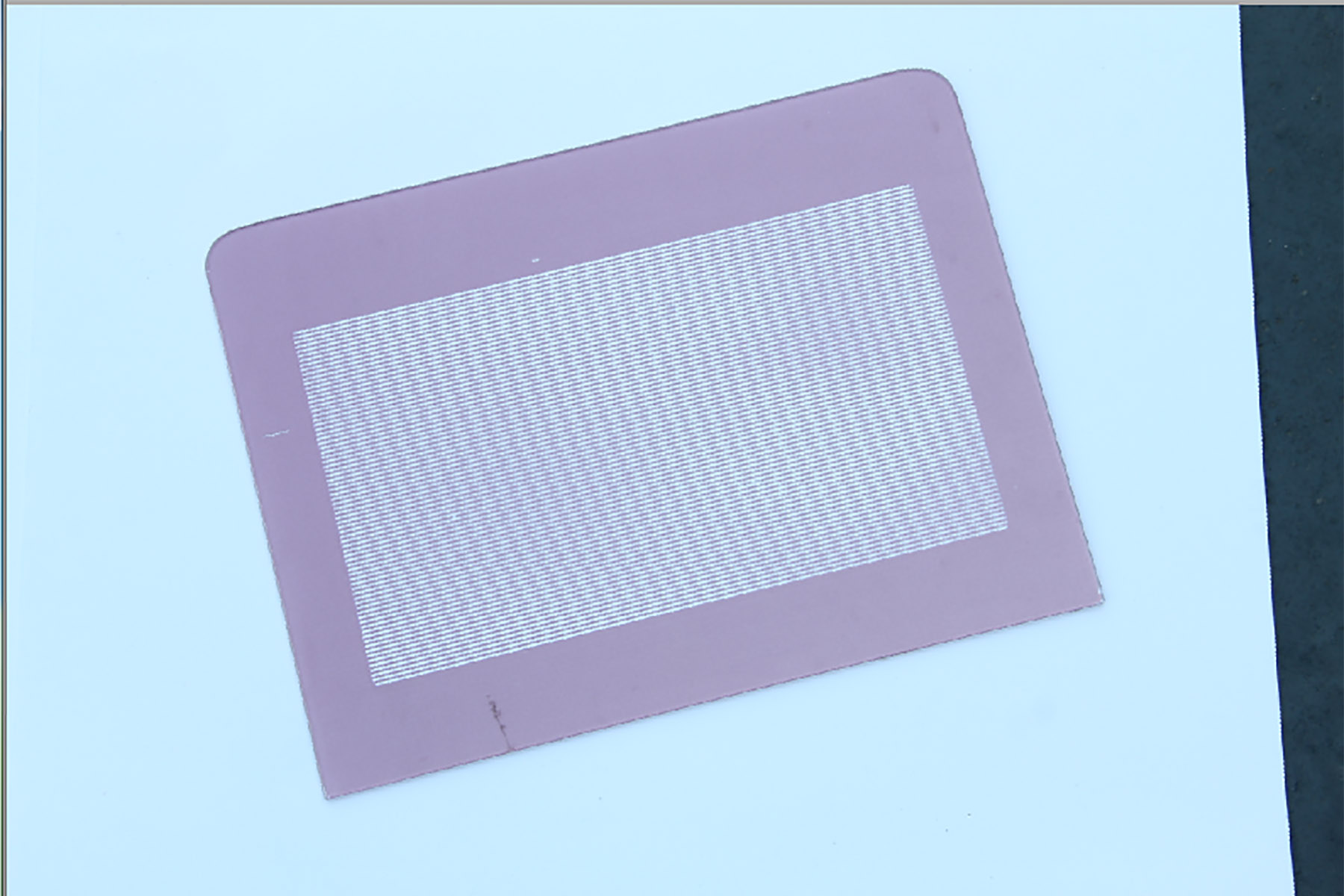
Tempered Glass Print refers to the process of applying decorative patterns, colors, or images to glass that is designed to undergo a tempering process. Depending on the manufacturing method, the printing may be completed before tempering, allowing the printed design to become integrated with the glass surface during subsequent processing.
Common printing methods include screen printing and other specialized glass printing technologies. The appropriate process depends on the glass thickness, design complexity, color requirements, production volume, and end-use environment.
Printed tempered glass combines several advantages:
Decorative Flexibility: Supports customized colors, patterns, logos, and graphic designs.
Safety Performance: Tempered glass is designed to have greater mechanical strength than ordinary annealed glass of comparable thickness and to break into smaller, less sharp fragments under typical breakage conditions.
Heat Resistance: Suitable for applications where the selected glass and printing system meet the required temperature conditions.
Customization: Can be produced in different dimensions, shapes, thicknesses, and surface designs.
Industrial Applications: Suitable for appliance manufacturers, furniture producers, and other OEM projects.
Printed tempered glass can be customized with solid colors, gradient effects, decorative patterns, product logos, and functional visual designs. Screen printing is commonly used for repeated patterns and consistent color coverage in mass production.
For custom projects, buyers can provide design files, color references, samples, or technical drawings to define the desired appearance.
Tempered glass undergoes a controlled heating and rapid cooling process to improve its mechanical strength compared with ordinary annealed glass. When properly manufactured and used within its design limits, it is suitable for applications requiring enhanced glass strength and safety performance.
The final product should meet the applicable dimensional, mechanical, and safety requirements for its intended use.
For kitchen appliances, the glass substrate, printing ink, and production process must be selected according to the actual operating temperature and thermal conditions.
This is particularly important for Oven Door Glass and other appliance components exposed to repeated heating and cooling cycles. Buyers should confirm the temperature performance of the complete printed glass assembly rather than evaluating the glass material alone.
Custom Tempered Glass printing can be applied to different glass shapes and dimensions, including rectangular, square, curved, and specially shaped panels, subject to the manufacturer's processing capabilities.
Hole positions, edge treatment, thickness, and dimensional tolerances should be confirmed before production.
Printed tempered glass is used in a wide range of industries, but home appliances are among its important application areas.
Oven Door Tempered Glass Print is designed for oven door panels that require both decorative appearance and suitable performance under high-temperature operating conditions.
The printed design may include black borders, decorative patterns, transparent viewing areas, brand logos, and other customized elements. These designs help improve the appearance of the appliance while supporting functional requirements.
When manufacturing oven door glass, important considerations include:
Glass thickness and dimensions
Printing position and color consistency
Viewing window design and transparency
Edge finishing and dimensional accuracy
Compatibility with the oven door structure
Resistance to the required thermal conditions
The glass, printing materials, and assembly design should be evaluated together to ensure suitability for the intended oven model.
Microwave Printed Tempered Glass is used in selected microwave appliance designs, including decorative panels and glass components where the product specification calls for tempered glass.
Printing can be customized to match the appliance's exterior design, including colored borders, patterns, logos, and other decorative details.
For microwave applications, manufacturers should confirm the exact component function, operating conditions, and applicable safety requirements. Not every Microwave Glass component is suitable for the same material or printing process.
Oven Inner Door Printed Glass is designed for the inner glass component of an oven door assembly when the appliance structure and technical requirements specify printed glass.
Compared with decorative outer panels, inner door glass may face different temperature exposure and thermal cycling conditions. Therefore, material selection, printing ink performance, glass processing, and assembly compatibility require careful evaluation.
A suitable solution should be developed according to the oven model, glass structure, and required performance standards.
Printed Toughened Glass for Oven combines a decorative printed surface with the strength characteristics of toughened glass. It can be customized for different oven door structures and appliance designs.
The printing process and ink system should be selected according to the glass tempering process and the required service conditions. For high-temperature applications, manufacturers should verify print adhesion, color stability, and thermal performance through appropriate testing.
The production of custom tempered glass print generally involves several stages. The exact workflow may vary according to the glass type, printing method, and product design.
Glass sheets are cut into the required dimensions and shapes according to customer drawings. Accurate cutting helps ensure that the finished glass fits the appliance structure.
Edges are ground and polished as required. Holes, notches, and other structural features should generally be processed before tempering because tempered glass cannot be conventionally cut or drilled afterward.
The glass surface is thoroughly cleaned to remove dust, oil, and other contaminants that could affect printing quality.
The selected printing process is used to apply the required colors, patterns, logos, or decorative elements. Screen printing is suitable for many industrial designs, especially when consistent colors and repeated production are required.
After printing and other applicable pre-processing steps, the glass undergoes a controlled tempering process. The compatibility of the printing materials with the tempering temperature and process must be verified.
Finished glass panels are inspected according to the agreed specifications. Inspection items may include:
Dimensions and thickness
Printing position and appearance
Color consistency
Surface defects
Edge quality
Glass flatness and visual quality
Required safety and performance tests
Selecting a reliable manufacturer is important for achieving consistent quality, especially for appliance glass projects that require precise dimensions and stable printing performance.
Consider the following factors when evaluating a supplier:
Check whether the manufacturer can provide the required printing method, glass thickness, dimensions, shapes, edge processing, and tempering services.
For oven and microwave applications, experience with appliance glass is valuable. A supplier should understand the requirements for decorative appearance, structural compatibility, and thermal performance.
A professional supplier should be able to work from customer drawings, samples, and design files. OEM services may include customized dimensions, printing patterns, colors, logos, and packaging.
Ask about the manufacturer's inspection procedures and whether they can provide relevant test reports or quality documentation. For oven applications, confirm that the finished product has been evaluated under the required thermal conditions.
For appliance manufacturers and distributors, consistent batch quality and reliable delivery schedules are important. Confirm production capacity, minimum order quantities, sample arrangements, and lead times before placing an order.
Printed tempered glass combines a decorative printing process with tempered glass. Compared with printed annealed glass, it offers the improved mechanical strength and characteristic breakage behavior associated with tempering. The actual performance depends on the glass specification and manufacturing quality.
Yes. Many decorative designs can be printed on glass before the tempering process. Common options include solid colors, borders, logos, patterns, and customized graphics. The printing method and ink must be compatible with the subsequent processing conditions.
It can be suitable for oven door applications when the glass type, printing materials, processing method, and finished assembly meet the oven's temperature and safety requirements. The complete product should be tested for its intended operating conditions.
Yes. Custom Tempered Glass Print can support different colors, patterns, logos, and decorative layouts. Buyers can provide artwork, samples, or color references for production evaluation.
To receive an accurate quotation, buyers should provide:
Glass dimensions and thickness
Glass shape and edge requirements
Printing artwork and color references
Application, such as oven door or microwave panel
Required performance specifications
Estimated order quantity
Technical drawings or product samples, if available
It may be used when the glass and printing system are specifically designed and validated for the inner door's thermal and structural conditions. The required temperature performance and applicable appliance safety standards should be confirmed before production.
Looking for a reliable solution for printed tempered glass panels? Whether you need oven door glass, microwave printed glass, oven inner door printed glass, or other customized appliance glass components, choosing the right manufacturing partner is essential.
From design evaluation and glass processing to printing, tempering, and quality inspection, a customized production solution can help meet your product requirements.
Contact us with your drawings, specifications, and application details to discuss your custom tempered glass printing project.

Tel/Whatsapp:+86 13423078888
E-mail:chloe_mo@wchtemperglass.com
Address:Yuan He Road North, Xiang Xi Industrial Zone, Shipai Town, Dongguan City, Guangdong Province, China


Privacy Policy Cookie Policy Terms and Conditions
Copyright © 2025 W.C.H Temper Glass Co., Ltd. All rights reserved.