
 English

Blog
Provide One-Stop Customized Services
WCH is dedicated to providing high-precision and high-quality
tempered glass customization services for home appliance manufacturers.


2026-08-21 18:18:21
Choosing glass for an oven timer or display window is a different decision than choosing Oven Door Glass — because Timer Glass is small and doesn't carry the same mechanical stress or handling exposure as a full door panel, float glass is often an acceptable option alongside tempered glass, not automatically ruled out. The real decision comes down to three things: whether your product's impact-resistance and safety positioning calls for tempered anyway, what thickness and temperature rating your display position actually needs, and whether you need multicolor printing for timer scale markings.
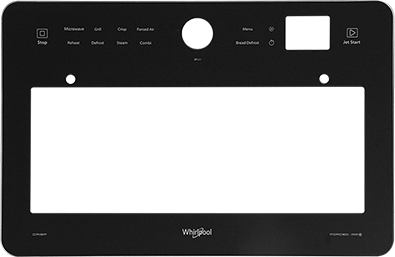
Unlike a full oven door panel, timer and display glass is small, isn't handled directly by the user in normal operation, and sits in a lower-impact position on the appliance. This is why timer display glass is commonly offered in both float glass and tempered glass options at 3–6mm thickness, rather than tempered being the only real option the way it is for door panels. If your product's cost target is tight and the timer window's exposure to impact is genuinely low, float glass is a legitimate option worth discussing with your supplier — it isn't automatically the wrong choice here the way it would be on a door panel.
Even though float glass is an option, tempered glass still offers a real advantage: if it's damaged, it shatters into small, blunt-edged particles rather than sharp shards, which matters if your product is positioned on safety or sold into a market with stricter safety expectations. Tempered timer glass in this size range is also commonly rated for temperature resistance up to around 400°C, giving it headroom for display positions closer to the oven cavity or control electronics that generate their own heat. If your timer or display sits in a warmer position on the appliance, or your brand markets on durability and safety, tempered is generally the safer default even though float is technically available.
Small timer and display components are commonly specified at 3–6mm, while broader timer glass for oven applications extends up to 4mm, 6mm, 8mm, 10mm, or 12mm depending on whether the glass is a standalone small window or integrated into a larger control panel assembly. Confirm with your supplier whether your application is a small, standalone display window or part of a larger panel — the thickness recommendation, and whether float glass remains a sensible option, can change once the glass becomes part of a bigger assembly rather than a small isolated component.
Timer display glass commonly supports multicolor printing for scale markings and numerals, along with anti-glare surface treatment to keep the display readable under kitchen lighting. Since readability is the entire functional purpose of this glass, confirm print durability under repeated heat cycling specifically — a printed marking that fades or discolors after months of use undermines the product regardless of how well the glass itself performs mechanically.
Given your timer window's size and exposure to impact, does float glass make sense, or should you default to tempered?
What's the documented temperature resistance for the specific glass and thickness you're ordering?
Is your application a small standalone window or part of a larger control panel assembly, and does that change the thickness recommendation?
Can the supplier confirm print durability for scale markings under repeated heat cycling, not just initial print quality?
If you have your display dimensions and position on the appliance ready, send them directly for a recommendation.
It can be, depending on the application. Because timer glass is small and has lower impact exposure than a full door panel, float glass is commonly offered as an option. If your product prioritizes safety positioning or the window sits in a higher-impact or higher-heat position, tempered glass is the more conservative choice.
Small standalone timer displays are commonly 3–6mm. When timer glass is integrated into a larger control panel assembly, thickness can extend up to 12mm depending on the panel design. Confirm which category your application falls into.
Tempered timer glass in this size range is commonly rated up to around 400°C. Confirm the specific rating for the glass type and thickness you're ordering, especially if the display sits close to the oven cavity or heat-generating electronics.
Yes, multicolor printing for timer scales and numerals is commonly available, often paired with anti-glare treatment for readability. Ask your supplier to confirm print durability under repeated heat cycling, not just initial appearance.

Tel/Whatsapp:+86 13423078888
E-mail:chloe_mo@wchtemperglass.com
Address:Yuan He Road North, Xiang Xi Industrial Zone, Shipai Town, Dongguan City, Guangdong Province, China


Privacy Policy Cookie Policy Terms and Conditions
Copyright © 2025 W.C.H Temper Glass Co., Ltd. All rights reserved.