
 English

Blog
Provide One-Stop Customized Services
WCH is dedicated to providing high-precision and high-quality
tempered glass customization services for home appliance manufacturers.


2026-11-04 16:51:23
Tempered Glass is widely used in household appliances, including microwave ovens, electric ovens, and kitchen cooking equipment. With its improved mechanical strength, smooth surface, and customizable appearance, it is an important material for appliance doors, viewing windows, and control panels.
From Microwave Door Glass and Oven Door Glass to Microwave Control Panel Glass, customized glass components help appliance manufacturers achieve functional performance, product safety, and modern designs. Choosing the right glass material and a reliable Tempered Glass Supplier is essential for ensuring compatibility with the appliance's operating environment.
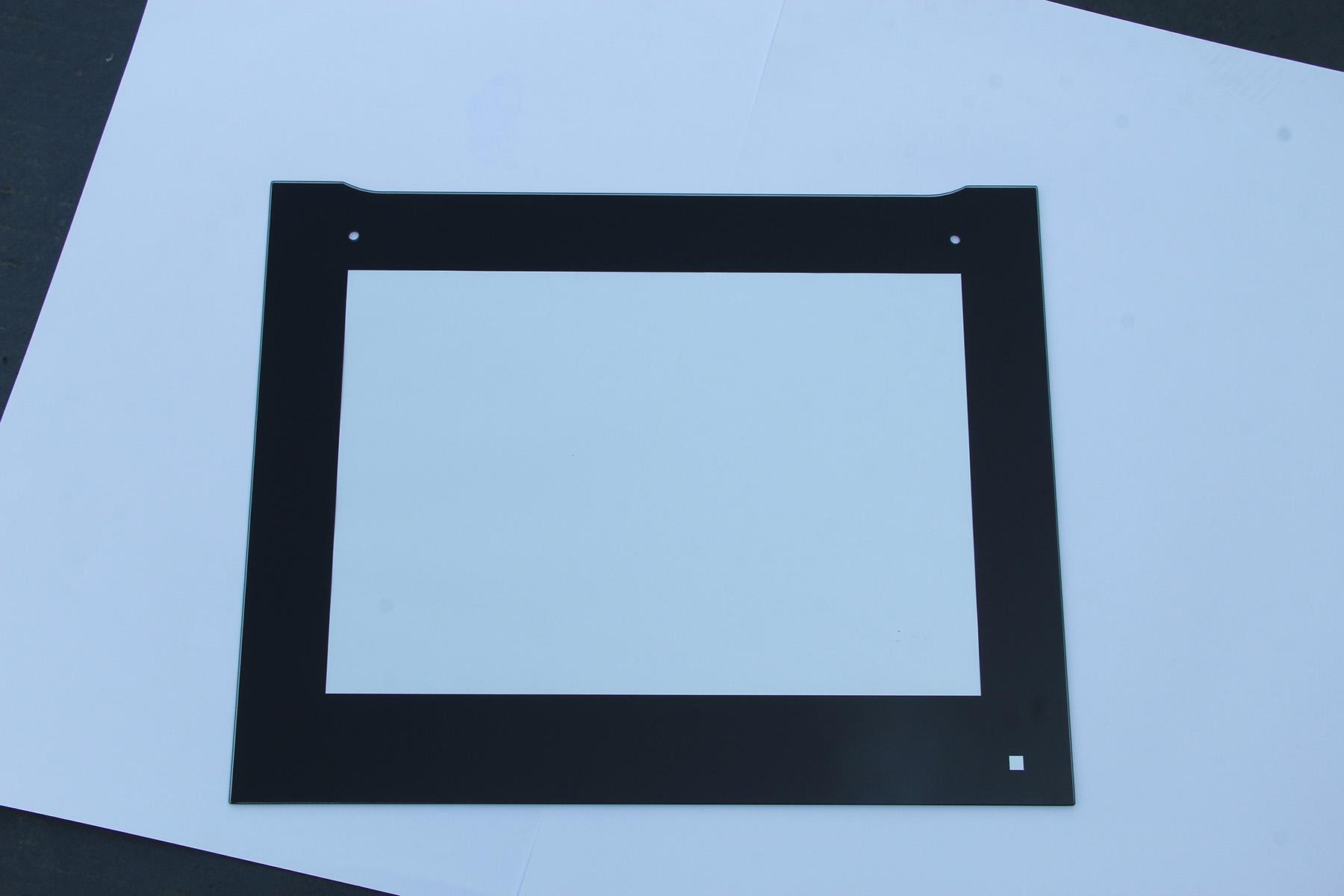
Tempered Glass is a type of safety glass processed through controlled heating and rapid cooling. During this process, compressive stress forms on the glass surface while tensile stress develops inside the glass, improving its mechanical strength compared with ordinary annealed glass.
When fully tempered glass breaks, it generally fragments into relatively small pieces rather than large, sharp shards, helping reduce the risk of serious injury.
Tempered glass can be customized in different dimensions, thicknesses, shapes, colors, and surface finishes. These properties make it suitable for various appliance components, especially glass panels that require durability and an attractive appearance.
However, not all tempered glass is suitable for high-temperature oven applications. The glass composition and temperature resistance must match the actual working conditions.
Glass doors are important components of modern kitchen appliances. They allow users to monitor cooking while contributing to the overall appearance and insulation structure of the appliance.
Microwave Door Glass is an essential component of a microwave oven door assembly. It provides a viewing window that allows users to observe food during operation while working together with the door's shielding structure.
Unlike ordinary decorative glass panels, microwave door glass must be compatible with the microwave's electromagnetic shielding system. Microwave doors commonly incorporate a conductive metal mesh or perforated metal screen to prevent microwave energy from escaping.
The glass panel, shielding components, frame, and sealing structure must work together to meet the appliance's safety requirements.
Microwave Oven Door Glass is designed specifically for microwave oven door assemblies. Depending on the product design, it may be used as an inner or outer glass panel.
Customized manufacturing can accommodate different microwave models, including variations in:
Glass dimensions and thickness
Panel shape and corner radius
Transparent or tinted appearance
Edge finishing and surface treatment
Printing, decorative patterns, and branding
For OEM and ODM projects, accurate dimensions and compatibility with the complete microwave door structure are particularly important.
Microwave Door Outer Glass is the exterior glass panel installed on the front side of a microwave door. It contributes to the appliance's appearance and protects the internal door components.
Depending on the design, the outer glass may feature a black, gray, or other customized finish to match the microwave's exterior.
Manufacturers can customize the panel's shape, size, color, printing, and edge processing to meet different product design requirements.
A Glass Door Microwave features a door design that incorporates glass panels for visibility and a modern appearance. The glass door assembly is designed to combine viewing functionality with the structural and electromagnetic shielding requirements of the microwave.
For manufacturers, selecting suitable glass components is important for achieving consistent appearance, reliable assembly, and long-term product performance.
Oven Door Glass is used in electric ovens, gas ovens, and built-in cooking appliances. It allows users to observe food during cooking without opening the door, helping maintain the internal cooking temperature.
Depending on the oven design, the door may contain multiple glass layers separated by an insulating air space.
A double-glass or multi-glass door structure can help reduce heat transfer to the exterior surface. The inner and outer panels may require different material specifications because they experience different temperature conditions.
For high-temperature oven applications, manufacturers must carefully select the appropriate glass type. Conventional tempered glass is not automatically suitable for every oven door. Special heat-resistant glass or glass-ceramic may be required depending on the operating temperature and thermal shock conditions.
Control panel glass provides a smooth and durable interface for operating modern kitchen appliances. It is commonly used in touch-control systems, digital displays, and decorative front panels.
Microwave Control Panel Glass is installed on the front control interface of a microwave oven. It supports buttons, touch sensors, display windows, and printed operating instructions.
Compared with conventional plastic panels, glass control panels can provide a more premium appearance and better resistance to everyday surface scratches.
Common customization options include:
Screen printing for icons, logos, and operating instructions
Customized colors and decorative patterns
Cutouts and openings for functional components
Different panel dimensions and thicknesses
Polished edges and customized shapes
Surface treatments for improved usability
For touch-control applications, the glass thickness and surface structure should be compatible with the electronic touch system.
Oven Control Panel Glass is used in the front interface of electric ovens and other cooking appliances. It combines a clean appearance with a functional surface for touch controls, displays, and operating buttons.
Manufacturers can customize the glass panel according to the appliance's industrial design, including color, printing, dimensions, and installation requirements.
The panel should also be evaluated for resistance to fingerprints, cleaning chemicals, scratches, and the temperatures expected at its installation position.
The tempering process improves resistance to mechanical stress compared with ordinary annealed glass. This makes tempered glass suitable for appliance components exposed to frequent handling and everyday use.
Custom Tempered Glass can be manufactured in different shapes, sizes, thicknesses, and colors. Screen printing and decorative finishes also allow appliance manufacturers to maintain a consistent brand identity.
Glass surfaces are generally smooth and easy to maintain. This is particularly useful for microwave doors and control panels that may come into contact with fingerprints, grease, and cleaning products.
Fully tempered glass is designed to break into smaller fragments when it fails, helping reduce the risk of injuries caused by large sharp pieces. The required safety standards and testing should be confirmed for the intended application.
Custom glass processing allows manufacturers to develop components based on technical drawings, physical samples, and specific appliance requirements. This supports different product models and production needs.
A professional Tempered Glass Supplier should offer processing capabilities that meet different appliance design requirements.
| Processing Option | Description |
|---|---|
| Glass cutting | Customized dimensions and shapes |
| Edge processing | Flat polishing, beveled edges, and other finishes |
| Drilling and cutouts | Openings for buttons, mounting, or functional components |
| Tempering | Heat treatment according to the specified glass type |
| Screen printing | Logos, icons, patterns, and operating instructions |
| Color customization | Clear, tinted, black, or other specified colors |
| Surface treatment | Customized finishes according to application requirements |
The final processing method should be selected according to the glass material, component structure, and appliance application.
Finding a suitable Tempered Glass Supplier is important for appliance manufacturers looking for consistent quality and customized production.
1. Experience in Appliance Glass
Choose a supplier familiar with microwave door glass, oven door glass, and control panel glass. Different applications require different material properties and manufacturing processes.
2. Custom Manufacturing Capabilities
A qualified supplier should be able to manufacture glass according to drawings or samples, including cutting, edge processing, drilling, printing, and other customization requirements.
3. Material Selection and Technical Support
Confirm whether the supplier can recommend suitable glass materials for the intended application. Microwave door assemblies and high-temperature oven doors have different technical requirements.
4. Quality Control
Ask about inspection procedures for dimensions, thickness, appearance, edge quality, and tempering performance. Additional tests may be necessary depending on the appliance's safety and performance requirements.
5. OEM and ODM Support
For long-term cooperation, stable production capacity, customized packaging, consistent specifications, and reliable delivery are important considerations.
Tempered glass and other specially processed glass materials are used in a wide range of appliance components, including:
Microwave oven door assemblies
Microwave door outer glass
Microwave viewing windows
Electric oven door panels
Built-in Oven Glass doors
Microwave control panel glass
Oven control panel glass
Touch-control kitchen appliance panels
Other customized household appliance glass components
The appropriate glass type depends on the component's function, temperature exposure, mechanical requirements, and overall appliance design.
1. What is tempered glass used for in microwave ovens?
Tempered glass may be used in certain microwave door components and other appliance panels. Microwave door assemblies must also include suitable electromagnetic shielding, such as conductive metal mesh, to prevent microwave leakage.
2. Is tempered glass suitable for microwave door glass?
It can be used in applications where its material properties and design are appropriate. However, the complete microwave door assembly must meet applicable microwave shielding and safety requirements. Glass alone does not provide microwave shielding.
3. What is the difference between microwave door glass and microwave control panel glass?
Microwave Door Glass is part of the door assembly and provides a viewing window. Microwave Control Panel Glass is installed on the operating interface and supports buttons, touch controls, and display components.
4. Can microwave door outer glass be customized?
Yes. Microwave Door Outer Glass can be customized in dimensions, thickness, shape, color, printing, and edge treatment according to the appliance design.
5. Is tempered glass suitable for oven doors?
It depends on the oven's operating temperature and the glass specification. Some oven applications require specially designed heat-resistant glass or glass-ceramic instead of conventional tempered glass.
6. Can control panel glass support touch controls?
Yes. Glass control panels can be designed for capacitive touch-control systems. The glass thickness and surface structure should be compatible with the touch sensor and electronic components.
7. What information is required for custom tempered glass orders?
Manufacturers typically need technical drawings or samples, dimensions, thickness, glass type, color, edge requirements, printing details, application conditions, and order quantity.
Whether you need Microwave Door Glass, Microwave Oven Door Glass, Oven Door Glass, or Microwave Control Panel Glass, choosing the right material and manufacturing partner is essential for product quality and reliable performance.
As a professional Tempered Glass Supplier, we provide customized glass solutions for household appliance manufacturers. From glass cutting and edge processing to printing and customized specifications, we can develop glass components according to your product drawings and application requirements.
Contact us today to discuss your custom glass project and find the right solution for your microwave oven or cooking appliance.

Tel/Whatsapp:+86 13423078888
E-mail:chloe_mo@wchtemperglass.com
Address:Yuan He Road North, Xiang Xi Industrial Zone, Shipai Town, Dongguan City, Guangdong Province, China


Privacy Policy Cookie Policy Terms and Conditions
Copyright © 2025 W.C.H Temper Glass Co., Ltd. All rights reserved.