
 English

Blog
Provide One-Stop Customized Services
WCH is dedicated to providing high-precision and high-quality
tempered glass customization services for home appliance manufacturers.


2026-11-11 17:10:13
Oven Door Glass is an essential component of modern ovens, providing visibility while helping maintain stable temperatures inside the cooking chamber. Unlike ordinary glass, glass for oven applications must withstand high temperatures, repeated heating and cooling cycles, and potential thermal stress during daily operation.
Whether you are looking for heat resistant Glass for Oven Doors, tempered glass for oven door replacement, or customized oven door glass cut to size, choosing the right material and processing technology is important for product safety and long-term performance.
This guide introduces different types of Oven Glass, their material properties, applications, customization options, and key factors to consider when selecting an oven glass manufacturer.
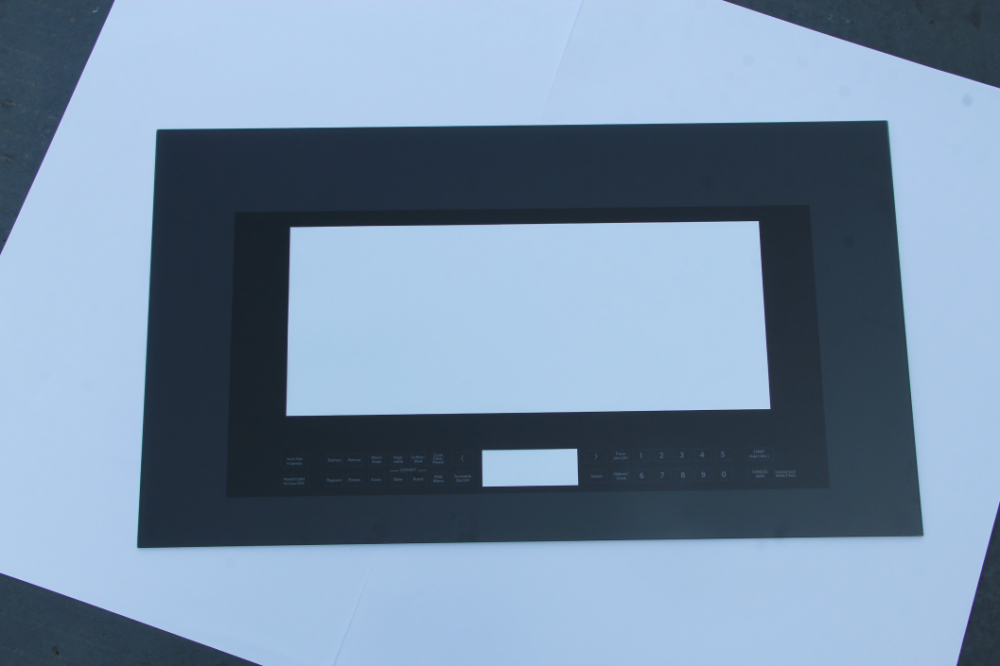
Oven door glass is specially manufactured glass used in the door assembly of household and commercial ovens. It allows users to monitor food during cooking while helping reduce heat loss and maintain the required temperature inside the oven.
Unlike standard window glass, oven glass is designed for high-temperature environments. Depending on the oven model and construction, the door may contain multiple layers of glass to improve thermal insulation and reduce the temperature of the outer surface.
A typical oven door glass assembly may include:
Outer door glass: The visible exterior panel of the oven door, designed to provide visibility and protect the door structure.
Inner door glass: The glass panel facing the cooking chamber, designed to withstand the operating temperature inside the oven.
Intermediate glass: Some oven designs use additional glass layers to improve thermal insulation.
Coating or printed patterns: Certain glass panels feature decorative printing or specialized coatings according to the appliance design.
The exact structure depends on the oven type, temperature requirements, and manufacturer's specifications.
Different oven applications require different glass materials and configurations. The selection should be based on operating temperature, thermal stress, mechanical strength, and the design of the complete appliance.
Heat resistant glass for oven applications is designed to withstand elevated temperatures and temperature changes. It is commonly used in oven doors, viewing windows, and other components exposed to heat.
Depending on the application, manufacturers may use specially formulated glass materials with suitable thermal properties.
Important characteristics include:
Resistance to high operating temperatures
Good thermal stability
Resistance to thermal shock within specified limits
Suitable mechanical strength
Consistent optical quality
The actual temperature rating depends on the glass composition, thickness, processing method, and installation conditions. Buyers should always confirm the manufacturer's tested specifications rather than relying on a general heat-resistant label.
Tempered glass for oven door applications is processed through controlled heating and rapid cooling to improve its mechanical strength compared with ordinary annealed glass.
This process creates compressive stress on the glass surface and tensile stress inside the glass. As a result, tempered glass generally offers improved impact resistance and a characteristic fragmentation pattern when broken.
However, not all tempered glass is suitable for oven doors. Standard tempered glass should not automatically be considered heat-resistant enough for repeated oven heating cycles.
When selecting tempered glass for an oven door, consider:
The required operating temperature
Thermal shock resistance
Glass thickness
Tempering quality
Edge processing
Compatibility with the oven door structure
For high-temperature applications, the glass composition and complete processing specifications must be verified.
Inner glass for oven door assemblies is installed on the side facing the oven cavity. It is exposed to higher temperatures than the outer panel and must meet the thermal requirements of the appliance.
Depending on the oven design, the inner glass may use a specialized heat-resistant glass material and may include printed or coated surfaces.
Its dimensions, edge quality, mounting points, and thermal performance must match the original door assembly.
Oven outer door glass is the exterior glass panel of the oven door. It provides a finished appearance and allows users to observe the cooking process.
Compared with inner glass, the outer panel generally operates under different temperature conditions. Its design may focus on surface quality, appearance, impact resistance, and reducing heat transfer to the outside.
Some oven models use multiple glass layers and air gaps to improve thermal insulation.
Convection oven glass is used in ovens that circulate heated air through a fan system. Although the cooking method differs from conventional ovens, the door glass must still meet the appliance's temperature and thermal stress requirements.
The correct glass material depends on the convection oven's maximum operating temperature, door construction, and manufacturer's design specifications.
Oven door glass performs several important functions during the cooking process.
The glass must withstand the temperatures generated inside the oven without experiencing unacceptable deformation, cracking, or other failures.
Multi-layer oven door designs can reduce heat transfer from the cooking chamber to the exterior surface. Air gaps between glass panels may contribute to insulation performance.
Transparent oven glass allows users to monitor food without opening the door, helping reduce unnecessary heat loss.
Oven door glass is integrated with the door frame, hinges, seals, and other components. Proper installation helps maintain the integrity of the door assembly.
Some oven doors use specialized coatings or surface treatments to improve thermal performance, appearance, or ease of cleaning.
The term "anti-heat coating" can refer to different technologies depending on the product design. It should not be treated as a universal coating specification.
Possible coating functions include:
Certain functional coatings are designed to reflect part of the radiant heat, helping reduce heat transfer through the glass assembly. Their performance depends on coating composition, optical properties, and placement within the door structure.
Some coatings improve surface durability or help protect the glass against specific environmental or cleaning conditions.
Coatings and ceramic printing can create dark borders, patterns, or other visual effects that match the oven's exterior design.
When sourcing oven doors with anti-heat coating, buyers should confirm the coating type, temperature resistance, adhesion, durability, and compatibility with the glass substrate.
Oven door glass cut to size is an important service for oven manufacturers, replacement-part suppliers, and appliance component distributors.
Custom glass processing helps ensure that each panel matches the dimensions and assembly requirements of a specific oven model.
Common customization options include:
Glass panels can be manufactured according to technical drawings or approved samples. Thickness should be selected based on the mechanical and thermal requirements of the application.
Precision cutting ensures that the panel matches the required length, width, and shape.
Processed edges help improve appearance and reduce the risk of edge-related damage during handling and assembly.
Some oven door designs require holes, slots, or special cutouts for mounting and positioning.
Ceramic printing and other compatible decorative processes can be used to create borders, patterns, and customized designs.
Depending on the glass material and application, suitable heat treatment may be used to improve mechanical performance. The processing sequence must be compatible with the selected glass composition and any coating or printing requirements.
For an accurate quotation, provide the glass dimensions, thickness, material, edge requirements, processing details, drawings, and order quantity.
A damaged oven door glass panel should be replaced with a compatible component designed for the specific oven model.
Tempered glass oven door replacement is not simply a matter of finding a panel with the same size. The replacement glass must meet the original appliance's material, thermal, and structural requirements.
Before ordering replacement oven glass, check the following details:
The brand and model number help identify the original door design and compatible replacement parts.
Determine whether the required component is the outer door glass, inner glass for oven door, or an intermediate glass panel.
Measure the original panel accurately and confirm the required tolerances.
The replacement glass must be suitable for the oven's operating conditions. Do not substitute ordinary glass or unverified tempered glass.
Check the edge finish, holes, notches, brackets, and other installation requirements.
Oven doors contain multiple components and may involve high-temperature insulation and safety features. Replacement should follow the appliance manufacturer's instructions or be performed by a qualified technician.
Although both products may be transparent and mechanically strong, oven glass and ordinary tempered glass are not necessarily interchangeable.
| Comparison | Ordinary Tempered Glass | Oven Glass |
|---|---|---|
| Main purpose | General architectural and household applications | High-temperature oven applications |
| Heat performance | Depends on its material and processing | Selected for specified oven operating conditions |
| Thermal shock resistance | Varies by product | Must meet the requirements of the oven application |
| Mechanical strength | Improved through tempering | Depends on material and processing design |
| Typical applications | Doors, partitions, furniture | Oven doors and viewing panels |
| Replacement compatibility | Not automatically suitable | Must match the original oven design |
A critical point is that mechanical tempering and thermal resistance are different properties. Tempered glass is not automatically suitable for repeated high-temperature oven use.
Oven glass is used in different household and commercial cooking appliances.
Built-In Ovens: Customized door glass for integrated kitchen appliances.
Freestanding Ovens: Outer and inner glass panels for standard household ovens.
Convection Ovens: Heat-resistant glass components for fan-assisted cooking equipment.
Commercial Ovens: Glass panels designed for commercial baking and food-service equipment.
OEM Appliance Manufacturing: Customized glass components manufactured according to appliance drawings and specifications.
Replacement Parts: Compatible oven door glass supplied for specific appliance models.
Different applications require different material grades, glass thicknesses, processing methods, and performance specifications.
For oven manufacturers, distributors, and replacement-part suppliers, selecting a qualified oven door glass manufacturer is essential for product consistency and reliable supply.
Consider the following factors when evaluating a supplier.
The manufacturer should understand the differences between ordinary tempered glass and specialized heat-resistant glass materials, including their application limitations.
Check whether the supplier can provide cutting, edge grinding, polishing, drilling, printing, coating, and other required processing services.
Ask about available test data for thermal resistance, thermal shock performance, and other application-specific requirements.
Accurate dimensions and consistent tolerances are essential for fitting the glass panel into the oven door assembly.
A reliable supplier should have inspection procedures covering glass thickness, surface quality, edge condition, dimensions, and other relevant characteristics.
For long-term cooperation, evaluate the supplier's production capacity, customization support, packaging standards, and ability to maintain consistent quality across batches.
Oven doors may use specially selected heat-resistant glass, including glass materials designed for high-temperature applications. The exact material depends on the oven design, operating temperature, and whether the panel is used as inner, outer, or intermediate glass.
Not all tempered glass is suitable for oven doors. Tempering improves mechanical strength, but it does not automatically provide the thermal performance required for repeated oven heating cycles. Always use glass specifically approved for the intended oven application.
No. Ordinary glass should not be used as a direct replacement unless it has been specifically verified for the oven's operating conditions and door structure. Use a compatible replacement component that meets the manufacturer's specifications.
Inner oven door glass faces the cooking chamber and is exposed to higher temperatures. Outer oven door glass forms the exterior surface and generally operates under different thermal conditions. Their materials, coatings, and specifications may therefore differ.
Yes. Oven door glass can be customized according to technical drawings or approved samples. Common processing options include precision cutting, edge grinding, polishing, drilling, printing, and other application-specific treatments.
Heat-resistant oven glass is designed to withstand specified high temperatures and thermal changes. Its performance depends on the glass composition, thickness, manufacturing process, and installation conditions.
These are oven door designs that use specialized coatings or surface treatments to improve certain thermal, optical, decorative, or surface properties. The exact function depends on the coating technology used by the manufacturer.
Oven door glass may crack due to thermal stress, impact, damaged edges, incorrect installation, or defects in the glass or door assembly. Sudden temperature changes and mechanical stress can also contribute to failure.
If oven glass cracks, stop using the appliance until it has been inspected and repaired according to the manufacturer's safety instructions.
Oven door glass plays an important role in the safety, thermal performance, and appearance of modern ovens. From heat resistant glass for oven applications to tempered glass for oven door assemblies, the right material must be selected according to the specific operating conditions and appliance design.
Whether you need oven outer door glass, inner glass for oven door assemblies, convection oven glass, or oven door glass cut to size, material compatibility, processing precision, and quality control are essential.
Working with an experienced oven glass manufacturer can help ensure reliable customized glass solutions for household and commercial oven production.
Contact us to discuss your oven door glass requirements, custom dimensions, material specifications, and OEM production needs.

Tel/Whatsapp:+86 13423078888
E-mail:chloe_mo@wchtemperglass.com
Address:Yuan He Road North, Xiang Xi Industrial Zone, Shipai Town, Dongguan City, Guangdong Province, China


Privacy Policy Cookie Policy Terms and Conditions
Copyright © 2025 W.C.H Temper Glass Co., Ltd. All rights reserved.