
 English

Blog
Provide One-Stop Customized Services
WCH is dedicated to providing high-precision and high-quality
tempered glass customization services for home appliance manufacturers.


2026-11-11 17:10:20
Microwave Door Glass is an essential component of a microwave oven, providing visibility while helping maintain a safe and enclosed cooking environment. Unlike ordinary window glass, microwave Oven Door Glass is designed to work with the specific structural and electromagnetic requirements of microwave appliances.
Whether you are looking for replacement microwave door glass, comparing microwave door glass prices, or sourcing glass components for microwave oven manufacturing, understanding the materials, construction, and safety requirements is important.
This guide explains the main features of Microwave Glass doors, the differences between various types of glass, and the factors to consider when choosing a reliable microwave door glass supplier.
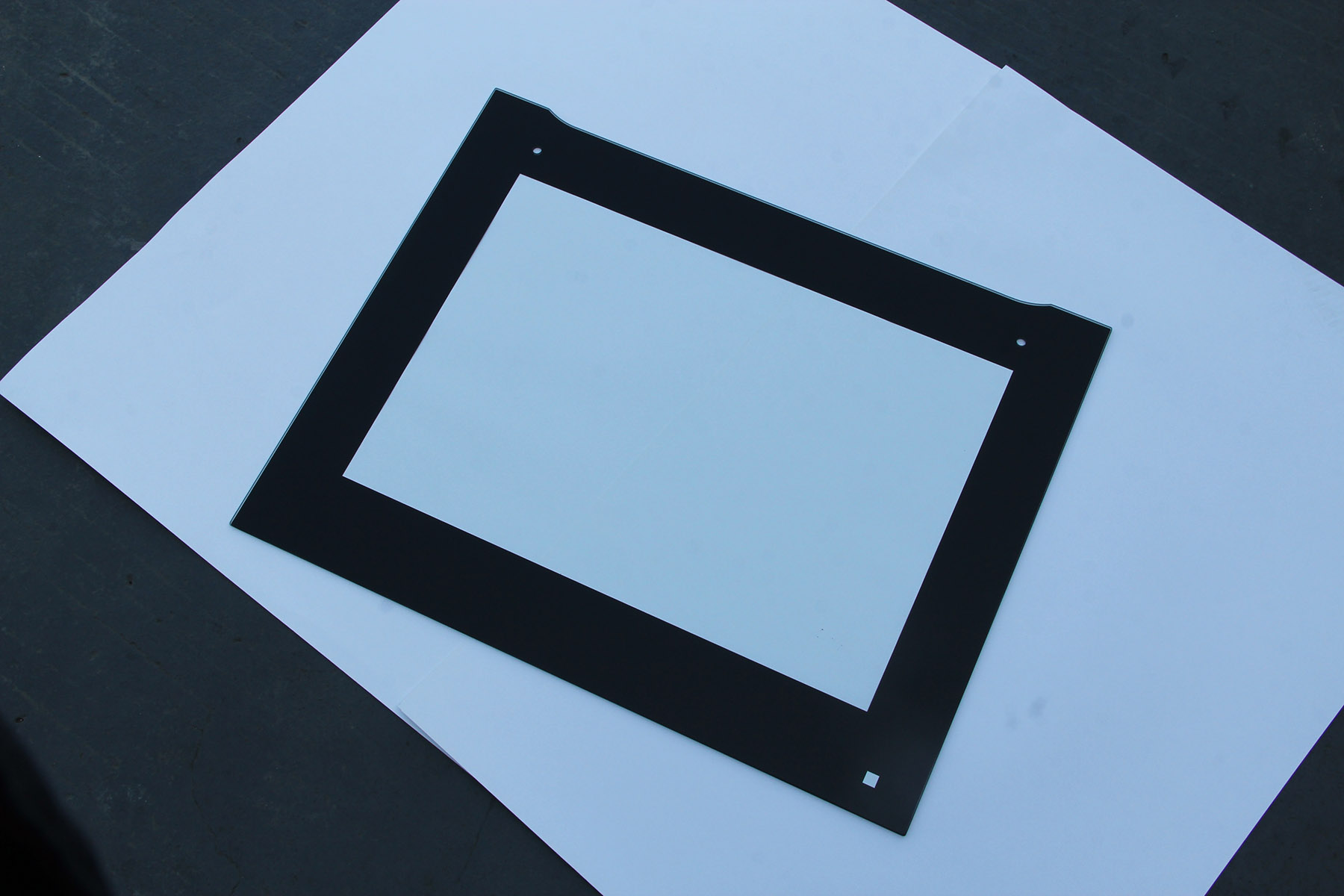
Microwave door glass is a specially designed glass component installed in the door assembly of a microwave oven. It allows users to observe food during cooking while forming part of the microwave oven's protective door structure.
A typical microwave oven door may contain multiple layers and components, including:
Outer glass panel: Provides a smooth exterior surface and allows users to view the cooking process.
Inner glass panel: Forms part of the internal door assembly and helps withstand the temperature and operating conditions inside the oven.
Metal mesh screen: A perforated or woven conductive layer designed to help contain microwave energy while allowing visible light to pass through.
Door frame and seals: Support the glass assembly and help maintain proper door closure.
The exact construction varies depending on the microwave model and manufacturer. Therefore, microwave door glass should be selected according to the original appliance design rather than replaced with an ordinary piece of glass.
Different microwave oven designs may use different glass configurations and materials. Understanding their functions helps manufacturers and replacement-part buyers select suitable components.
The outer microwave glass door is the visible glass panel on the front of the appliance. It contributes to the appearance of the microwave and allows users to monitor food without opening the door.
Depending on the design, the outer panel may use specially processed glass with suitable strength, surface quality, and thermal performance.
Glass inside a microwave oven door is part of the door's internal structure. It is designed to work with the other door components under the appliance's operating conditions.
The inner glass panel should meet the manufacturer's requirements for dimensions, thickness, heat resistance, and assembly compatibility.
Many microwave ovens use a metal mesh screen integrated into the door assembly. This conductive screen is an important part of the microwave containment design.
The small openings allow users to see inside the microwave while helping prevent microwave energy from escaping through the viewing area.
The mesh, glass, frame, and sealing structure must work together as a complete door assembly.
A common question among consumers and manufacturers is: Is tempered glass microwave safe?
The answer depends on the glass composition, manufacturing process, product design, and intended application.
Tempered glass is heat-treated to improve its mechanical strength and resistance to thermal stress compared with ordinary annealed glass of similar thickness. However, being tempered does not automatically mean that a glass product is suitable for microwave oven doors or microwave cooking applications.
For example, a tempered glass food container may be designed and tested for microwave heating, while a tempered glass panel intended for furniture or building applications may not meet the requirements for microwave oven door use.
When evaluating tempered glass for microwave applications, consider the following factors:
The glass must withstand the temperature conditions and temperature changes associated with its intended position in the microwave oven.
The glass should provide adequate resistance to impact, handling, and mechanical stress during installation and use.
Microwave door glass must match the dimensions and tolerances of the door assembly. Incorrect dimensions may affect installation and the overall integrity of the door.
The glass panel is only one part of the microwave door system. The metal mesh, frame, seals, hinges, and locking mechanism also contribute to safe operation.
The complete door assembly should be evaluated according to the applicable appliance safety requirements. A glass panel should not be considered microwave-safe based only on its material name.
Although both products are made from glass, regular glass and microwave door glass have different design requirements.
| Comparison | Regular Glass | Microwave Door Glass |
|---|---|---|
| Main purpose | General glazing and decoration | Microwave oven door assembly |
| Design requirements | Depends on its intended application | Must meet appliance-specific requirements |
| Thermal performance | Varies by glass type | Selected for the operating conditions |
| Structure | May be a single glass panel | Often integrated with mesh and other door components |
| Dimensional requirements | General glazing tolerances | Must match the microwave door design |
| Safety considerations | Depends on application | Includes microwave containment and door integrity |
The most important difference is that microwave door glass is not simply a glass panel with high heat resistance. It is a component designed to function within a complete microwave door system.
The term "glass inside a microwave" can refer to several different components.
The glass plate inside the cooking cavity is commonly called a microwave turntable or glass tray. It supports food and rotates during operation in models equipped with a turntable system.
This component is different from microwave door glass. It is generally designed for food contact and the thermal conditions associated with microwave heating.
The inner door glass is installed within the microwave door assembly. It is not intended to function as a removable cooking tray.
Some microwave models also incorporate glass-related components in their internal structures. Their materials and specifications depend on the appliance design.
When purchasing replacement parts, it is important to identify whether you need a microwave glass tray, inner door glass, or an outer microwave door glass panel.
The microwave door glass price varies depending on the product specifications, manufacturing requirements, and order quantity.
For appliance manufacturers and wholesale buyers, the following factors can influence the final quotation.
Different glass materials and processing methods have different costs. Material selection depends on the required strength, thermal performance, appearance, and application.
Larger panels or non-standard thicknesses may require different raw materials, processing equipment, and production procedures.
Additional processes may include cutting, edge grinding, polishing, drilling, printing, coating, and other customized treatments.
Microwave door glass is often manufactured according to specific appliance models. Custom shapes, complex dimensions, and special surface finishes may increase tooling and production costs.
Bulk orders may reduce the unit cost by improving production efficiency and material utilization. Small customized orders may have higher per-piece costs.
Strict dimensional inspection, surface quality checks, protective packaging, and transportation requirements can also affect the final price.
For an accurate microwave door glass quotation, buyers should provide drawings, dimensions, thickness, material requirements, processing details, and estimated order quantities.
Selecting a qualified microwave door glass manufacturer is important for appliance producers, replacement-part distributors, and glass component wholesalers.
Consider these factors before placing an order.
A professional supplier should be able to manufacture microwave oven door glass according to technical drawings, samples, and appliance-specific requirements.
Check the supplier's capabilities in cutting, edge processing, tempering where applicable, printing, and other required finishing processes.
Accurate dimensions are essential for proper installation and compatibility with the microwave door assembly.
Ask about inspection procedures for glass thickness, dimensions, surface defects, edge quality, and other relevant product specifications.
Glass products require suitable protective packaging to reduce the risk of scratches, edge damage, and breakage during transportation.
For microwave oven manufacturers and distributors, stable production capacity, customized specifications, and consistent quality are important considerations when choosing a long-term supplier.
Microwave door glass is mainly used in household and commercial microwave appliances.
Typical applications include:
Household Microwave Ovens: Glass panels for standard domestic microwave oven doors.
Commercial Microwave Ovens: Door glass components designed for commercial food-service equipment.
Built-In Microwave Ovens: Customized glass panels for integrated kitchen appliances.
OEM Microwave Manufacturing: Customized glass components supplied according to appliance manufacturers' drawings and specifications.
Microwave Replacement Parts: Replacement door glass components for compatible microwave models.
Different applications may require different glass specifications, dimensions, finishes, and structural designs.
Some tempered glass products are suitable for microwave use, but not all tempered glass is microwave-safe. Suitability depends on the material, manufacturing process, product design, and testing. For microwave door applications, always use glass specifically designed for the appliance's door assembly.
Ordinary glass should not be used as a direct replacement for microwave door glass unless it has been specifically evaluated and approved for that application. Microwave doors are engineered assemblies, and using an unsuitable panel may compromise the appliance's safety.
The glass on a microwave door may use specially processed glass selected according to the appliance design. The complete door assembly may also include a metal mesh screen, frame, seals, and other structural components.
No. The glass inside the cooking cavity usually refers to the removable turntable plate, while microwave door glass is part of the door assembly. They have different functions and specifications.
The metal mesh is a conductive component designed to help contain microwave energy within the oven. Its openings allow visible light to pass through while contributing to the microwave shielding structure.
The main factors include glass material, thickness, dimensions, processing requirements, customization, order quantity, inspection standards, and packaging.
Yes. Microwave door glass can be manufactured according to specific drawings, samples, dimensions, thickness requirements, and processing specifications, depending on the supplier's production capabilities.
Check the microwave brand and model number, original part number, glass dimensions, thickness, shape, and mounting structure. For safety, use a compatible replacement part or contact the appliance manufacturer or a qualified service provider.
Microwave door glass is an important component of microwave oven construction. It combines visibility, mechanical performance, and compatibility with the appliance's microwave shielding structure.
Whether you are sourcing microwave oven door glass for OEM production or looking for customized glass components in bulk, material selection, dimensional accuracy, processing quality, and complete door assembly compatibility should all be considered.
Working with an experienced microwave door glass manufacturer can help ensure consistent product quality and reliable supply for different microwave oven designs.
Contact us to discuss your microwave door glass requirements, customized specifications, and bulk order options.

Tel/Whatsapp:+86 13423078888
E-mail:chloe_mo@wchtemperglass.com
Address:Yuan He Road North, Xiang Xi Industrial Zone, Shipai Town, Dongguan City, Guangdong Province, China


Privacy Policy Cookie Policy Terms and Conditions
Copyright © 2025 W.C.H Temper Glass Co., Ltd. All rights reserved.